
New Achievements of Digital Mawangdui: Digital Gene Bank of Mawangdui Pattern, Mawangdui New Han Clerical Script Font Unveiled

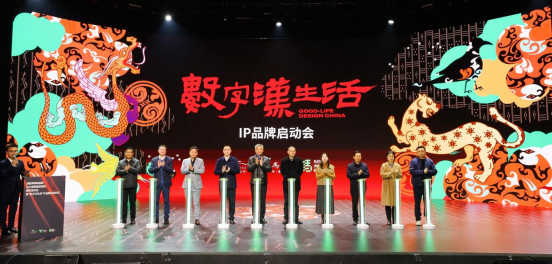
The theme of International Museum Day 2025 is “The Future of Museums in Rapidly Changing Communities,” focusing on the role of museums in technological innovation, social transformation, and cultural identity. On May 16, the eve of the Day, Hunan Museum held an information briefing for the event themed “Hunan Charm: A New Birth.” At the briefing, Hunan Museum, in collaboration with the Malanshan Innovation Center for Culture Digitalization and the Hunan Cicada Modern Culture Co., Ltd., released the annual achievements of the “Digital Han Life” project—the “Digital Gene Bank of Mawangdui Pattern,” the “Pattern Reborn” exhibition, and the “Mawangdui New Han Clerical Script Font”—decoding the genetic code of Han Dynasty civilization. Following the launch of the “Digital Han Life” IP brand, those achievements mark another milestone in the digital transformation of cultural relics, representing a profound practice of bringing Mawangdui Han Tomb culture from archived data to contemporary applications.
Decoding the Han Dynasty Gene Bank: “Digital Han Life” Revitalizes Cultural Heritage
In January 2024, Hunan Museum initiated the “Digital Han Life” project with the Malanshan Innovation Center for Culture Digitalization and the Hunan Cicada Modern Culture Co., Ltd. Utilizing cultural relics from the Mawangdui Han Tombs as core data sources, the project employs digital technologies to create an online-to-offline presentation comprehensively covering: construction of culture’s digital assets, development and application of cultural IP, dissemination of culture’s digital contents, and digital cultural products.
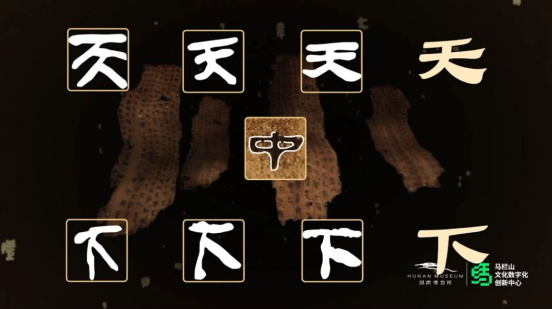
Scheduled for release in mid-June, the “Mawangdui New Han Clerical Script Font” draws from a database of over 130,000 characters from Mawangdui silk manuscripts. Digital technologies transform the distinctive “left-waving and right-chopping” ink strokes of the original texts into digital brushwork and accurately reproduce the transitional calligraphy features from the seal script to the clerical one, including strokes with “silkworm-head starts and goose-tail finishes” and harmonic integration of angular and rounded forms. The font preserves the essence and spirit of the Han clerical script from silk manuscripts while realizing the standardization and practicality required for modern fonts, re-creating the aesthetic essence of Chinese character in its evolution during the Han Dynasty.


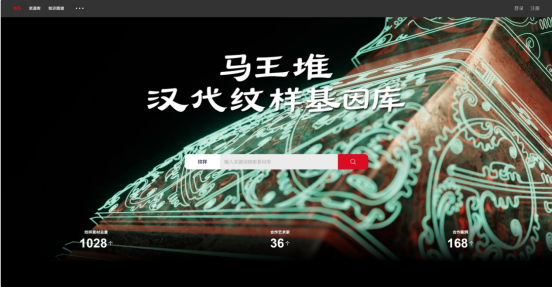
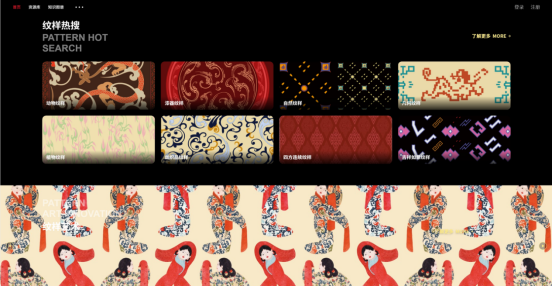
The “Digital Gene Bank of Mawangdui Pattern” is a systematic database of Han patterns built upon over 3,000 sets of those from lacquerware and silk fabrics. Through comprehensive collection and digital reconstruction of classic patterns from Mawangdui cultural relics, it achieves high-precision reproduction, cultural significance interpretation, and creative adaptation of patterns, forming a resource platform for research, design, and dissemination. As a benchmark case in the field of culture digitization, it has established a complete closed-loop model encompassing “digital acquisition of cultural relics—vectorization extraction—pattern identification and creative adaptation—industrial applications.”
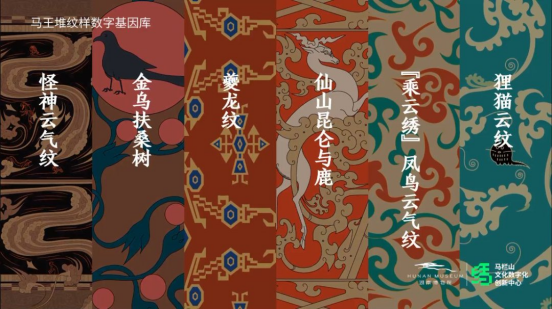
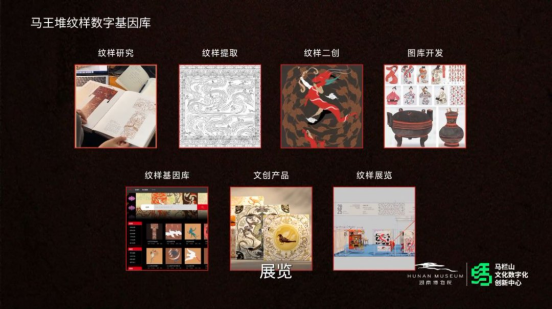
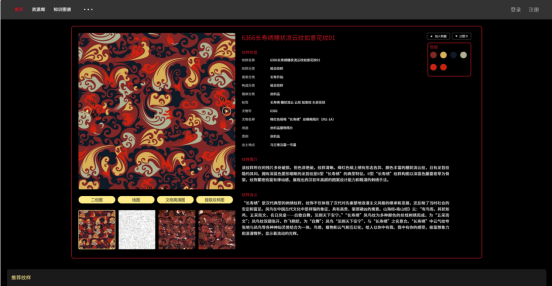
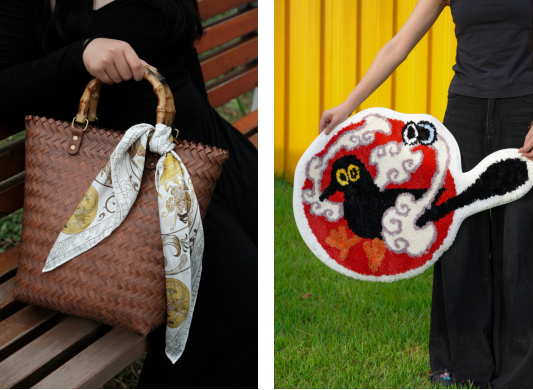
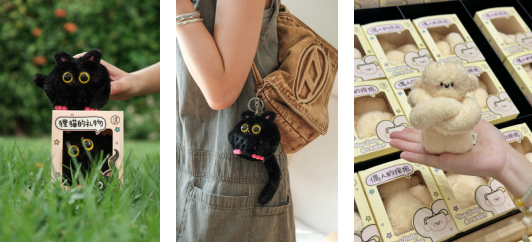
The concurrently released “Pattern Reborn” exhibition will soon open at the Hunan Museum. It is divided into six sections: “Digital Gene Bank of Mawangdui Pattern,” “Dynamic Interpretation of Patterns,” “Showcase of Artists’ Creative Adaptations,” “Showcase of Intangible Cultural Heritage Works Based on Mawangdui Patterns,” “Digital Art Display,” and “Pop-up Shop of Cultural and Creative Products.” Featuring the wildcat “Miaomiao” as the digital tour guide, the exhibition enables visitors to immerse themselves in Han banquets and finery. They can not only appreciate the unique charm of Han patterns through the deconstruction and reconstruction of artists and masters of intangible cultural heritage, but also literally “wear” this millennia-old beauty or display it in their homes. The vision of “bringing cultural relics to life” is to be realized.


From Shared Resources to Industrial Empowerment: Digitalization Benefits the Public
In January 2024, with the launch of the “Digital Han Life” project, Hunan Museum took the unprecedented step of granting free public access to both the “Mawangdui Digital Resource Database” and the brand resources of Hunan Museum, aiming to achieve joint contribution to and shared benefits of digital resources. Based on the Mawangdui Han Tombs’ cultural heritage, it has partnered with the Malanshan Innovation Center for Culture Digitalization and over 30 domestic art teams to realize a comprehensive presentation of the “Digital Han Life” through a “database + creative adaptation + application, dissemination & display” model.

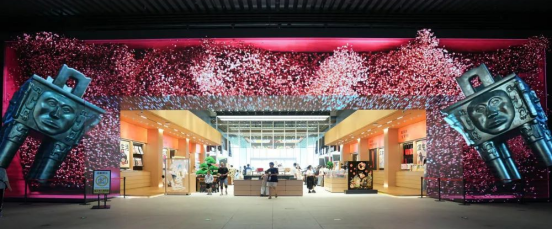
In August 2024, “Han Life Collection,” China’s first museum-curated retail space, debuted on the Hunan Museum’s fourth floor. The space sorts Mawangdui cultural relics around seven dimensions—clothing, food, housing, transport, articles for use, visual culture, and entertainment. Merging traditional culture with contemporary life, it delivers an integrated service of “exhibition—experience—consumption” and offers unprecedented immersive encounters with Han culture. In 2025, “Digital Han Life” will deepen its exploration of Mawangdui’s cultural essence and leverage AI technologies to transform Han wisdom into tangible modern applications.

Public Institution + Industry Investment: Exploring New Models for Innovative Cooperation in the Field of Cultural Relics and Museums
For years, museums’ cultural resources have been trapped in a closed “warehouse-to-hard-drive” cycle, failing to unlock their full social value and economic potential. The “Digital Han Life” project adopts an open-access model to resolve this problem through its transformative process of “cultural resources—digital assets—industrial applications.” It pioneers a cooperation model named “Public Institutions + Industry Investment”, in other words, museums provide scholarly authority and data and resources of cultural relics while enterprises rely on their market-driven operation capability to coordinate technological development and IP cultivation and commercialization, which contributes to a win-win situation for all parties. The model not only ensures the expertise and systematicness of cultural relics’ digital transformation, but also achieves the continuous appreciation of digital assets through commercialization. It truly reduces the difficulties of activating digital assets, provides a replicable path for the field of cultural relics and museums, and holds significant enlightenment value for other museums to activate their digital assets in the future.