
Cultural and Natural Heritage Day: Hunan Museum Creates a Model of Museum-Park Integration, Writing a New Chapter for Cultural Relics Revitalization
The 2025 Cultural and Natural Heritage Day falls on June 14, themed “revitalizing cultural heritage to showcase new brilliance”, with the main city event to be held in Changsha, Hunan Province. In active response to the call for the protection and inheritance of cultural heritage, Hunan Museum launched three themed education programs from June 14 to 15, bringing cultural relics to life in diverse forms and revitalizing intangible cultural heritage techniques in immersive experiences.
As a cultural landmark in Changsha, Hunan Museum, adjacent to Hunan Martyrs Park, naturally bears the responsibility to carry forward Hunan culture and preserve the historical memories. During June 14 and 15, Hunan Museum and Hunan Martyrs Park jointly launched an education program of inheritance of intangible heritage, titled “Porcelain Charm and Floral Language”. Adopting the innovative model of museum-park integration, the program created a dialogue between nature and flower patterns on porcelains, offering an immersive cultural experience to visitors. The education program was not only a lively illustration of the theme of Cultural and Natural Heritage Day, but also an essential practice rooted in the local context by the two institutions to jointly promote creative transformation and innovative development of cultural relics.
Crossover Integration: In-depth Integration between Traditional Culture and Nature
The activity selected several porcelains from the collections of the museum as carriers, such as Yuan blue-and-white porcelain Vase and Yuan blue-and-white porcelain plate with design of lotus flowers and double fishes, ingenuously connected with the natural resources in Hunan Martyrs Park. The patterns of the lotus pond and orchids on the porcelains served as not only a symbol of art, but also the ancient’s observation abstraction of nature. Through a three-dimensional experience mode which combined cultural relic knowledge, nature observation and hands-on creation, this two-hour experience provided visitors with an opportunity to embrace a profound integration between traditional culture and nature.
Immersive Experience: From Patterns Interpretation to Nature Exploration
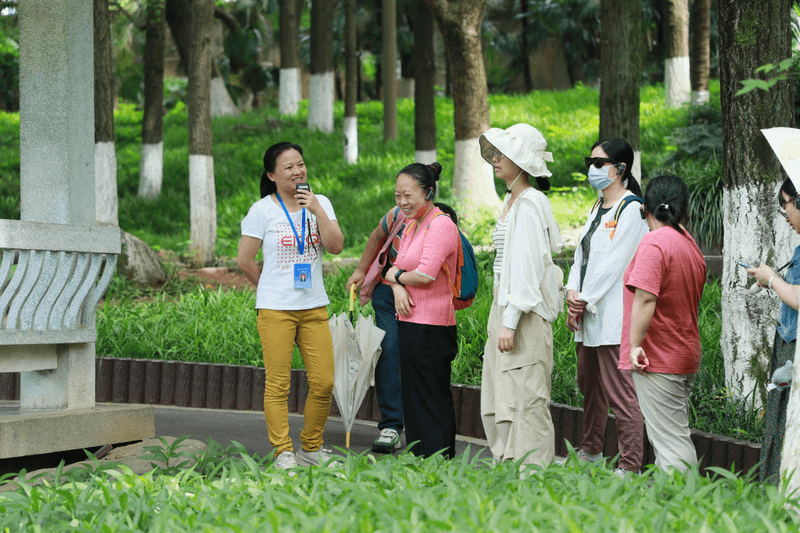
In the herb garden exhibition hall of Hunan Martyrs Park, educators unveiled the craftsmanship of blue-and-white porcelains through interactive quizzes, while garden experts interpreted the frequency of occurrence of flowers such as peonies, plum blossoms and orchids through detailed data and images, revealing the reverence for nature in ancient artifacts. Visitors then followed the experts to wander through the garden, taking a closer look at the shape of lotus pads and texture of orchid leaves, comparing the similarities and differences between the artifacts and real plants, completing the cognitive process from artifacts to nature.
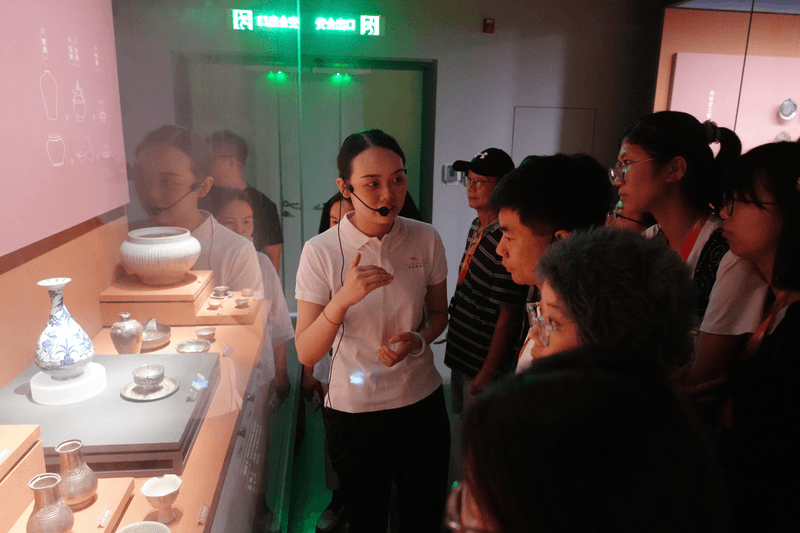
Every stroke of flowers and grasses on the porcelains contains ancient people’s delicate observations on nature. In the hall of “Hunanese--Exhibition of Hunan History and Culture” in Hunan Museum, educators guided visitors to closely watch the blue-and- white porcelains of the Yuan Dynasty and elaborated the composition of the patterns of scrolling lotus and the dynamic portrayal of individual stories, allowing them to appreciate the exquisite techniques and ingenuity of ancient craftsmen.
Connection in Hands-on Creation: A New expression of Intangible Cultural Heritage in Pressed-flower Postcards
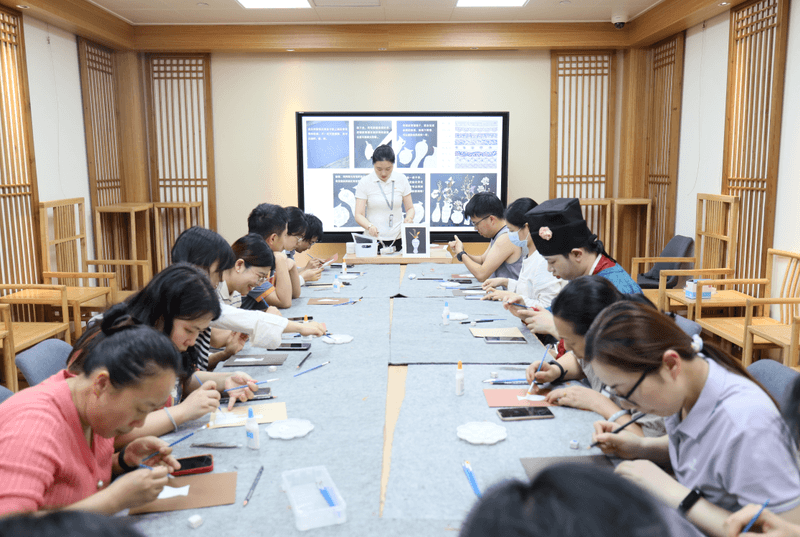
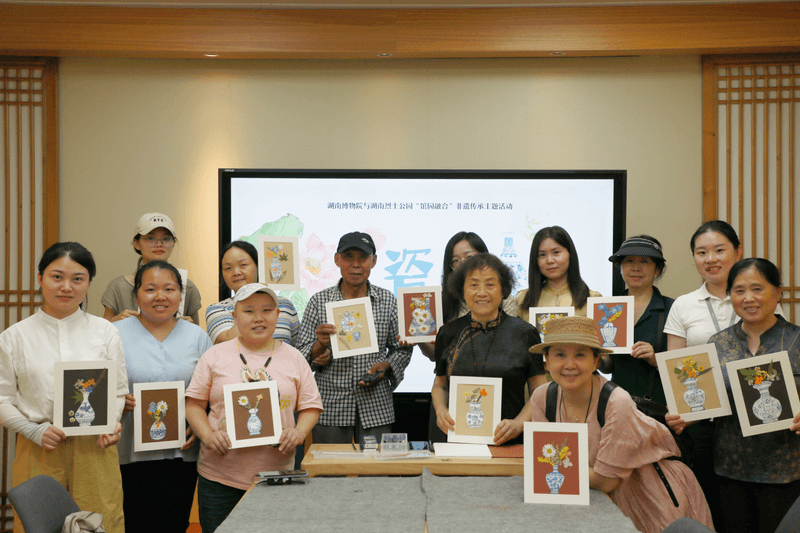
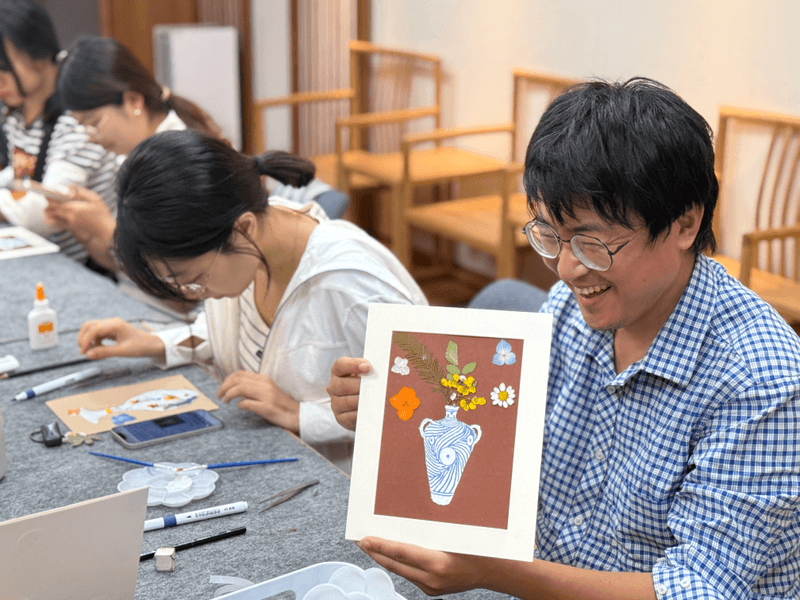
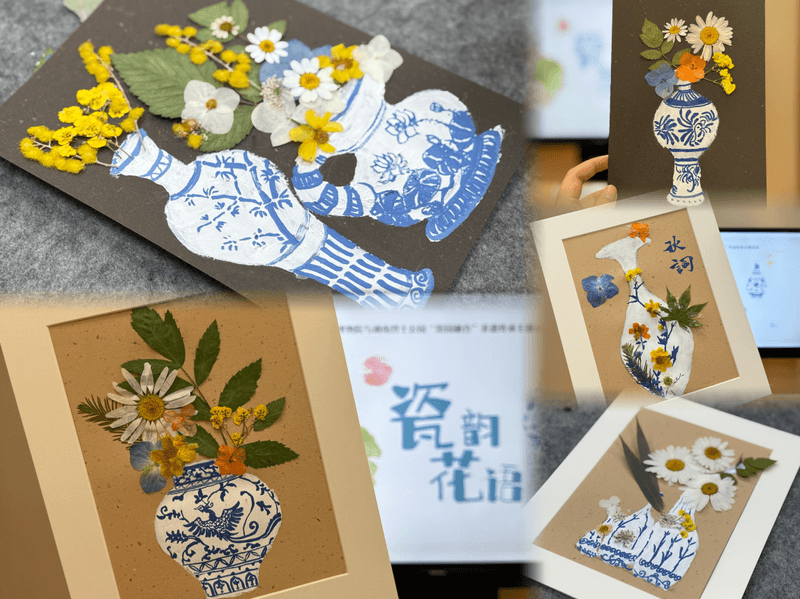
The final stop was a Chinese-style classroom in the Education Center of Hunan Museum. Visitors delicately sketched the outlines of porcelains on cardboards, elaborately painted traditional patterns of plants and affixed dried flowers to the cards with white latex, creating their own unique pressed-flower postcards. In this way, modern materials infused traditional patterns with new vitality, contributing to creating these handmade works with the charm of both history and nature.
This activity removed the spatial barriers between museums and parks, rejuvenating cultural heritage in natural settings. In the coming years, the two institutions will deepen the model of museum-park integration and roll out more education programs combining cultural relics with nature, integrating the protection and inheritance of cultural heritage into daily life.
Stone Charm and Craftsmanship: Hunan Wisdom in Stone Carvings
The “Xiaoxiang Stone Charm--Special Exhibition of Stone Carvings” of Hunan Museum, now open to the public, presents over 100 pieces of stone carvings featuring chrysanthemum stone, Yuanzhou stone, ink-quartz, and Taoyuan stone, celebrating the charm of stone carving tradition. Based on the content of the exhibition, Hunan Museum launched audience-targeted education activities, providing deep insights into the nature’s work and human’s ingenuity in Hunan stone carvings.
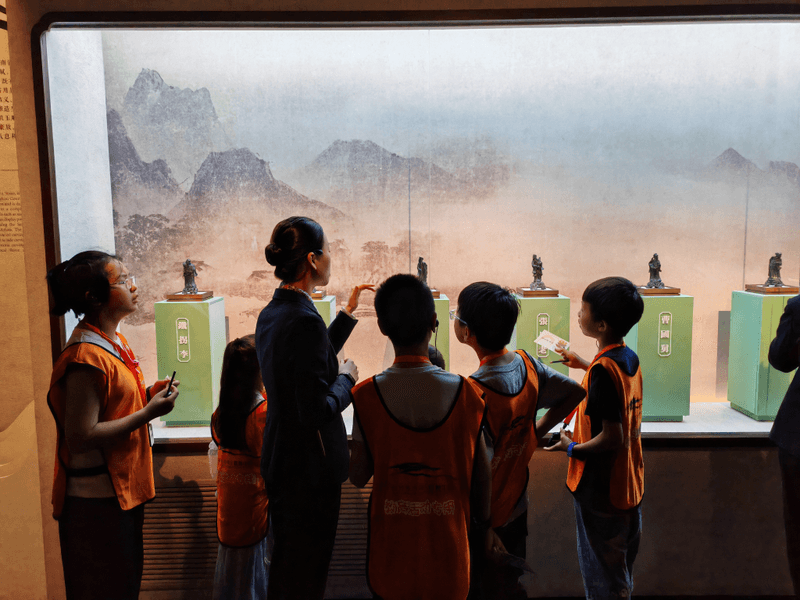
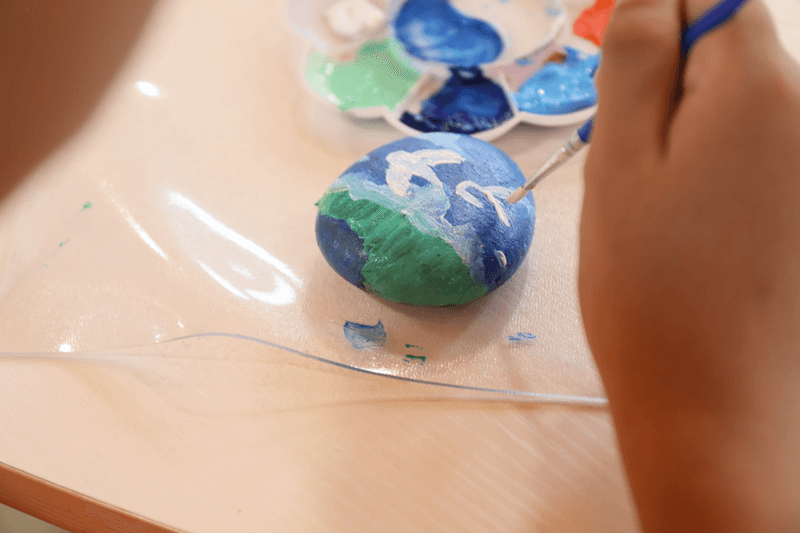
On the morning of June 14, educators guided children aged from 9 to 11 in an activity titled “Fun with Stones” to experience “Treasure Hunt” in the exhibition hall. From the flowers in chrysanthemum stone to the layers of peaks in Yuanzhou stone, children used interactive mission cards to explore the mystery of nature and historical stories in the stone carvings, understanding how craftsmen transformed stones into works of art. That afternoon, an adult program called “Creative Ideas in Stones” led visitors aged 18 and above to focus on the craftsmanship of stone carvings, exploring the carving skills applied to chrysanthemum stone, ink-quartz and other stones. It provided hands-on experiences for visitors to design their own art works, discovering the underlying creative philosophy of “adjusting techniques to different materials”.
Drawing on over 100 fine stone carvings, the audience-targeted education programs for different age groups showcased the wisdom of Hunan craftsmen in transforming nature into eternity, echoing the Cultural and Natural Heritage Day theme of “revitalizing cultural heritage to showcase new brilliance”.
Ink Fragrance and Paper Charm: Embracing Hunan Culture in the Calligraphy Works of the Scholars in the Ming and Qing Dynasties
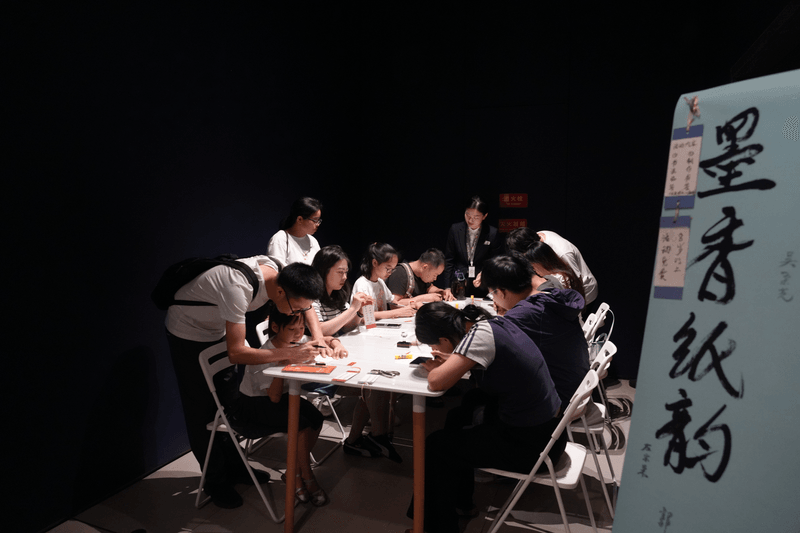
On June 15, the “Art and Beauty” special exhibition was filled to capacity, held in the gallery of “the Grace of Chu: the Exhibition of Painting and Calligraphy Works of Hunan Scholars in the Ming and Qing Dynasties” on the third floor of Hunan Museum. Building on the exhibition, the experience of calligraphy delved into the calligraphic spirit of Hunan scholars. The present visitors copied the master calligraphy works on site, every stroke showing the beauty of calligraphy to the full extent.
The activity transformed the traditional calligraphy into a modern gathering for visitors of all ages to participate in. Through the calligraphic circle of Hunan scholars, visitors were connected with tradition of the scholars of Chu to express feelings through ink and brush in copying practice, experiencing the innovative inheritance of calligraphy in modern times.
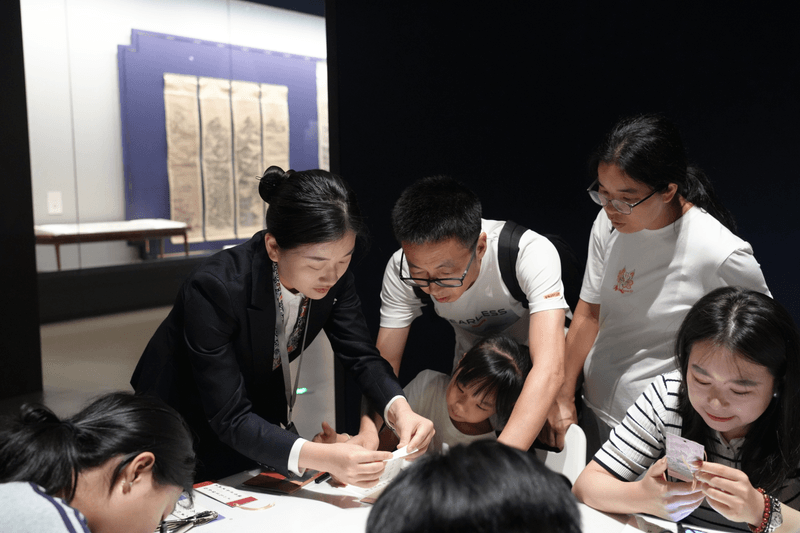
During this Cultural and Natural Heritage Day, Hunan Museum adopted the three education programs to transform porcelain patterns, stone carvings and calligraphic art from static exhibition into dynamic cultural interactive experiences. Through the innovative practice of museum-park integration, the museum not only paved an emotional path between cultural relics and the public, but also explored an inheritance road to incorporate cultural experience into daily life. Just as the lotus patterns on the Yuan blue-and-white porcelains came to life on the pressed-flower postcards, stone carving techniques were reinterpreted in the cards of treasure-hunting games and the calligraphy works of scholars were connected with modern times in the copying practice, it is just this innovative dialogue between artifacts and human beings that endowed cultural heritage with enduring vitality. Looking ahead, Hunan Museum will continue its efforts to ensure Hunan culture thrives in innovative inheritance.