
Tech Drives Digitalization of Cultural Relics: Hunan Museum Unveils “New Innovations” at 21st China (Shenzhen) International Cultural Industries Fair

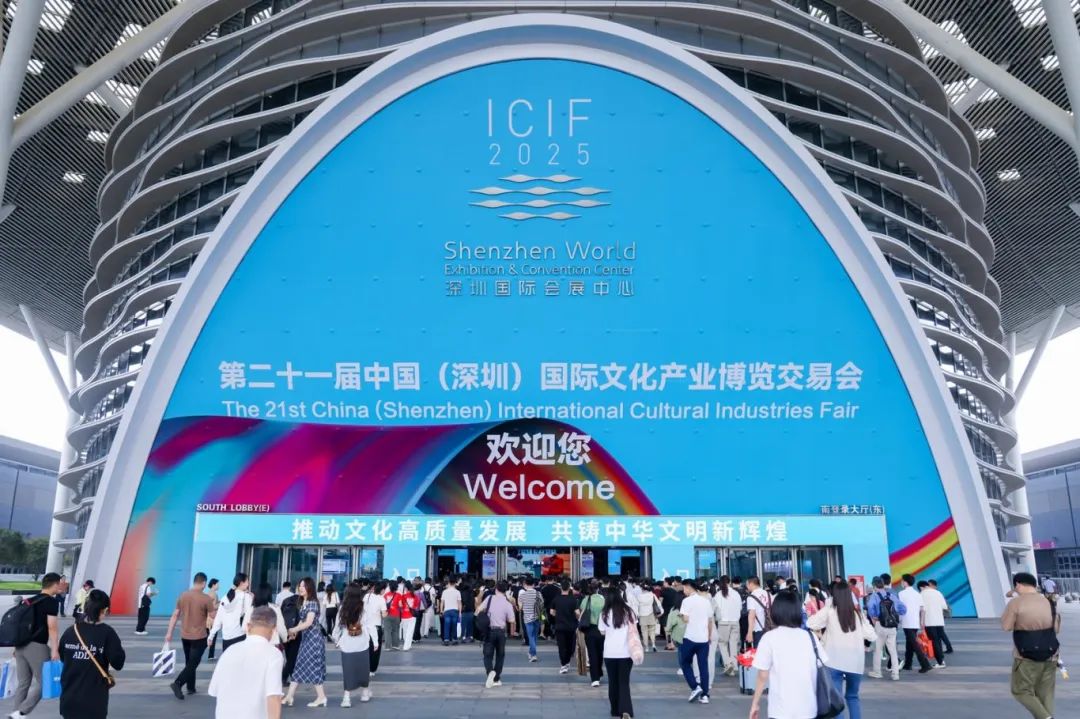
From May 22 to 26, the 21st China (Shenzhen) International Cultural Industries Fair (ICIF) was held at the Shenzhen World Exhibition & Convention Center. A delegation from the Hunan Museum, led by Duan Xiaoming, Secretary of the Party Committee and Director of the Museum, and Jin Fan, Party Committee Member and Deputy Director, attended the event.
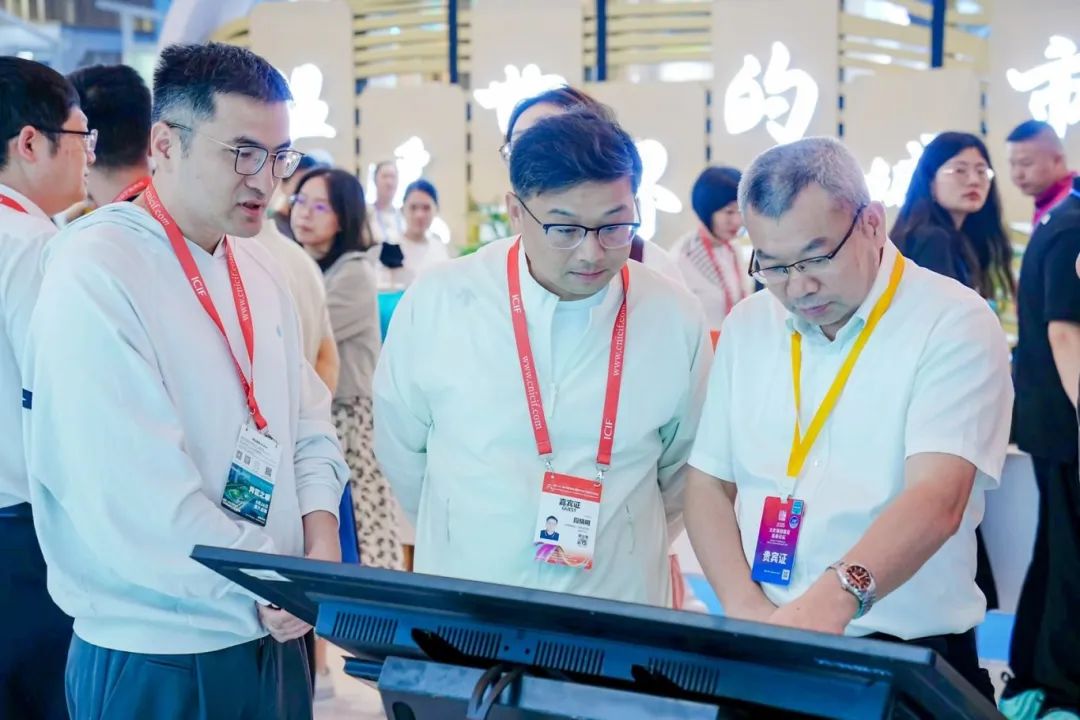
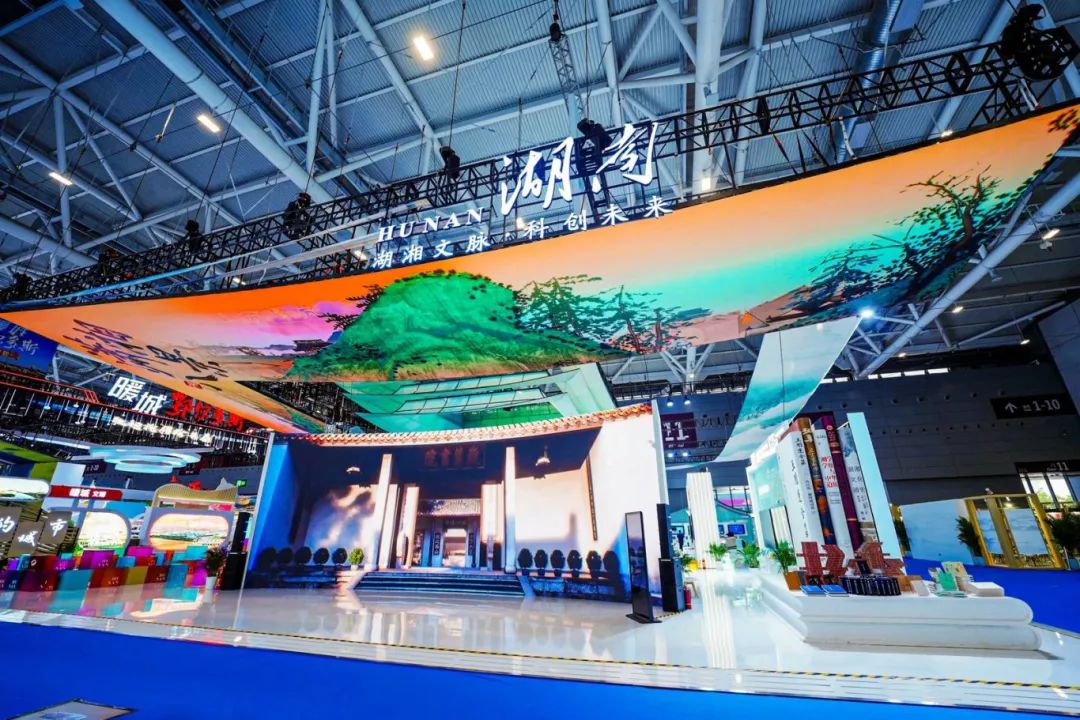
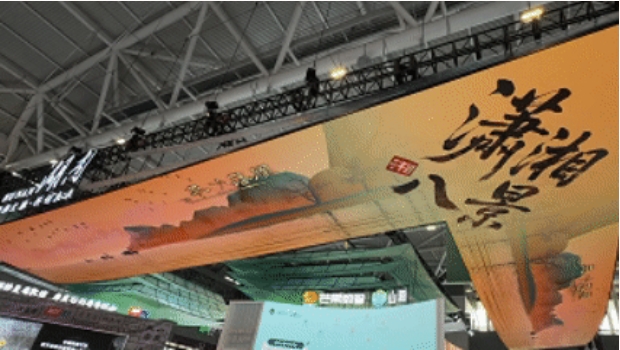
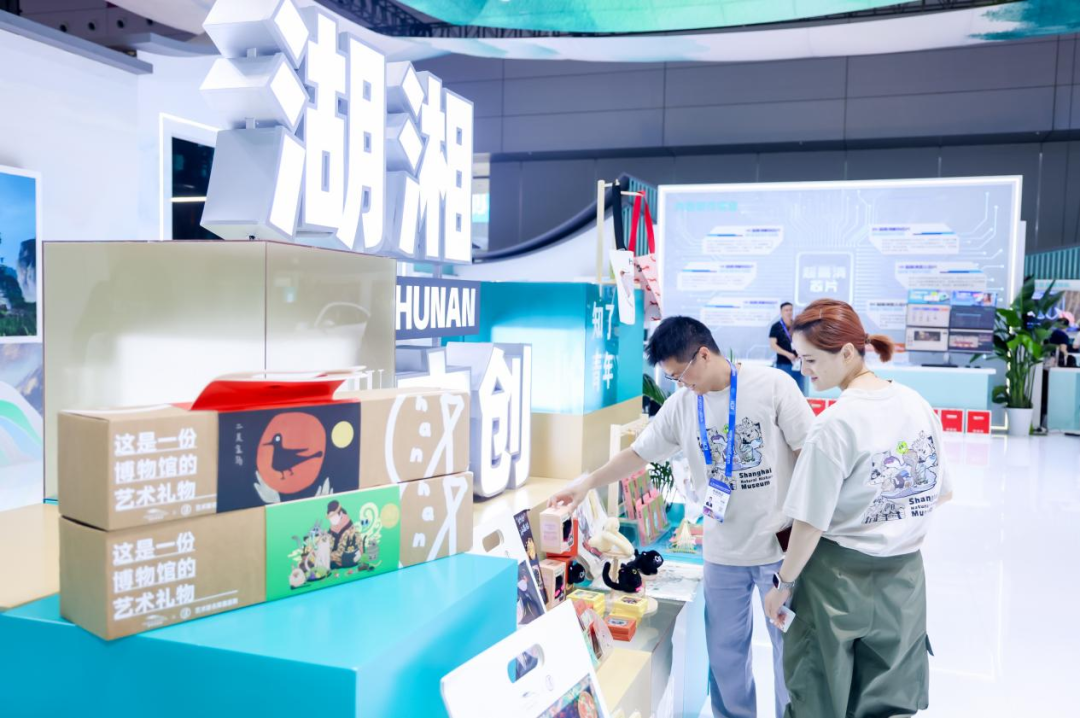
The Hunan Pavilion, located in Hall 11 of this year’s ICIF, was themed “Hunan Cultural Legacy, Technology and Innovation for the Future.” It was divided into three sections: a main image area, a comprehensive science-and-culture integration exhibition zone, and a special audio-visual industry section. The exhibition focused on the inheritance of the Hunan cultural legacy, highlighting Hunan Province’s innovative achievements in the “integration of culture and technology” in recent years.
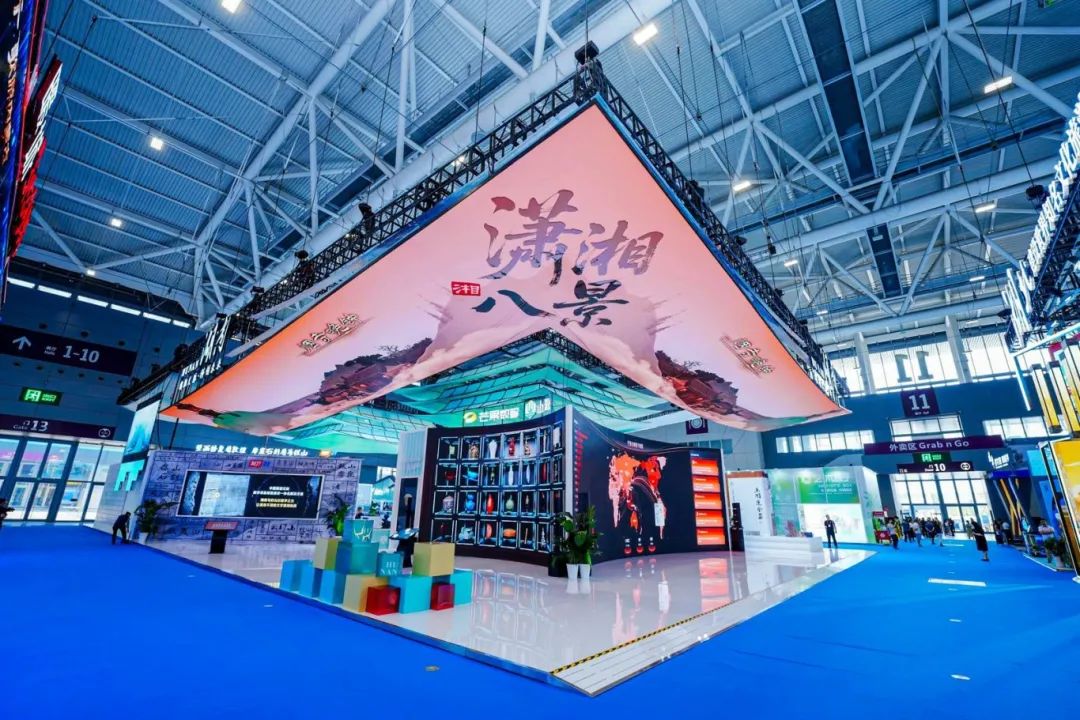
In collaboration with Hunan Mango Digital Art & Technology Co., Ltd., Hunan Cicada Modern Culture Co., Ltd., and Hongrui Wenbo Group Co., Ltd., the Hunan Museum aligned with this year’s ICIF theme to showcase the new processes and developments in technology-driven digitalization of cultural relics through four highlights: “Reviving Ancient Sounds,” “Creative Reinterpretation of Cultural Relics,” “Integration of Digital and Physical Realms,” and “Reinventing Cultural Relics IP.” The exhibition attracted large crowds and received widespread acclaim.
Highlight 1:
“Digital Cultural Relics Platform”—Technology Helps Cultural Relics Transcend Time and Space
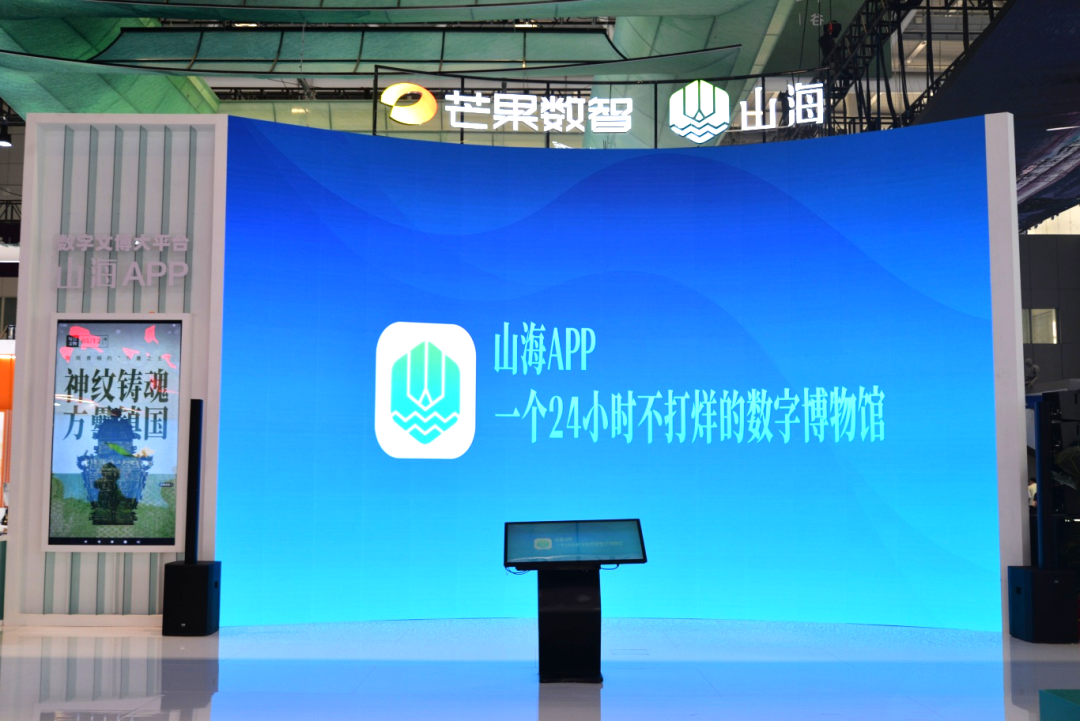
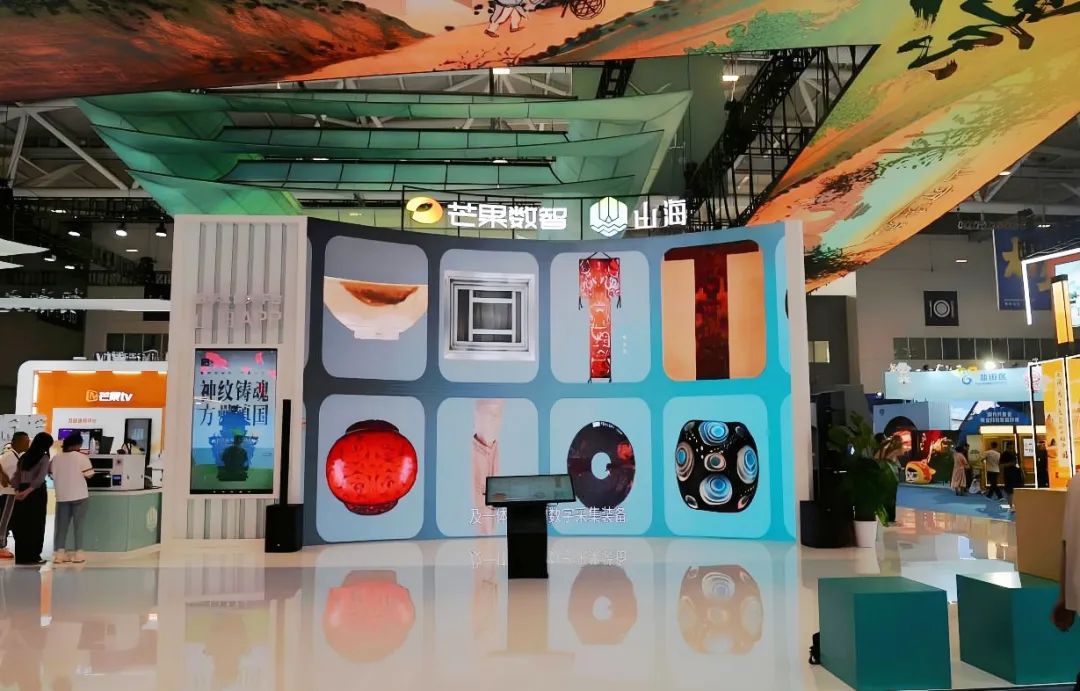
In 2024, the Hunan Museum and Hunan Mango Digital Art & Technology Co., Ltd. jointly developed the digital cultural relics platform—SumHi (Mountain and Sea) App—with the goal of creating a “world-leading digital museum.” In addition to the Hunan Museum, the platform has partnered with over 60 museums, including the Gansu Provincial Museum and the Nanchang Relic Museum for Haihun Principality of Han Dynasty, bringing together more than 30,000 digital cultural relics for joint exhibition. The international app supports six languages: Chinese, English, French, Spanish, Japanese, and Korean, and boasts over 20 patented inventions. Relying on SumHi App’s self-developed integrated cultural relics digital collection equipment and “Cultural Relic NKSR (neural kernel surface reconstruction) Algorithm,” cultural treasures can move from the “confines of museum halls” to the “vast world.”
One of the key cultural relics highlighted by the SumHi App is the “Du You” (solitude and seclusion) seven-stringed qin, a collected artifact of the Hunan Museum. The qin is a renowned zither passed down from the late Tang Dynasty and is one of China’s top ten famous zithers. It was once cherished by the renowned thinker Wang Fuzhi and is the only Tang Dynasty zither with a complete form, excellent sound quality, and a millennium-long heritage. Through the performance of Ding Chengyun, inheritor of the national intangible cultural heritage project of Guqin art, the qin has been “awakened,” allowing people to hear the original sound of the millennia-old zither.
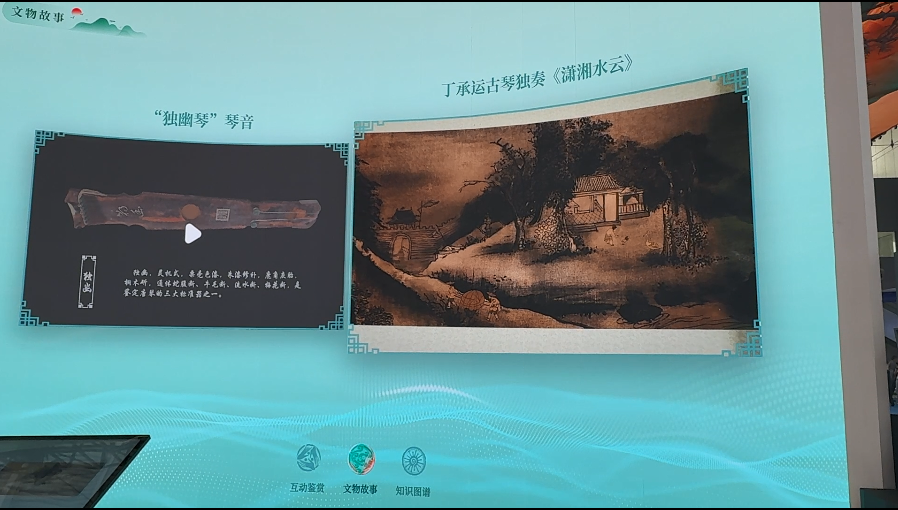
The SumHi App also uses AI to extract elements from cultural relics for creative design and printing, enabling the customization of unique personalized T-shirts. Visitors can engage in hands-on creation, “wearing” history and becoming walking cultural ambassadors.
Highlight 2:
“Creative Reinterpretation of Patterns”—Technology Inspires New Achievements in Reimagining Cultural Relics
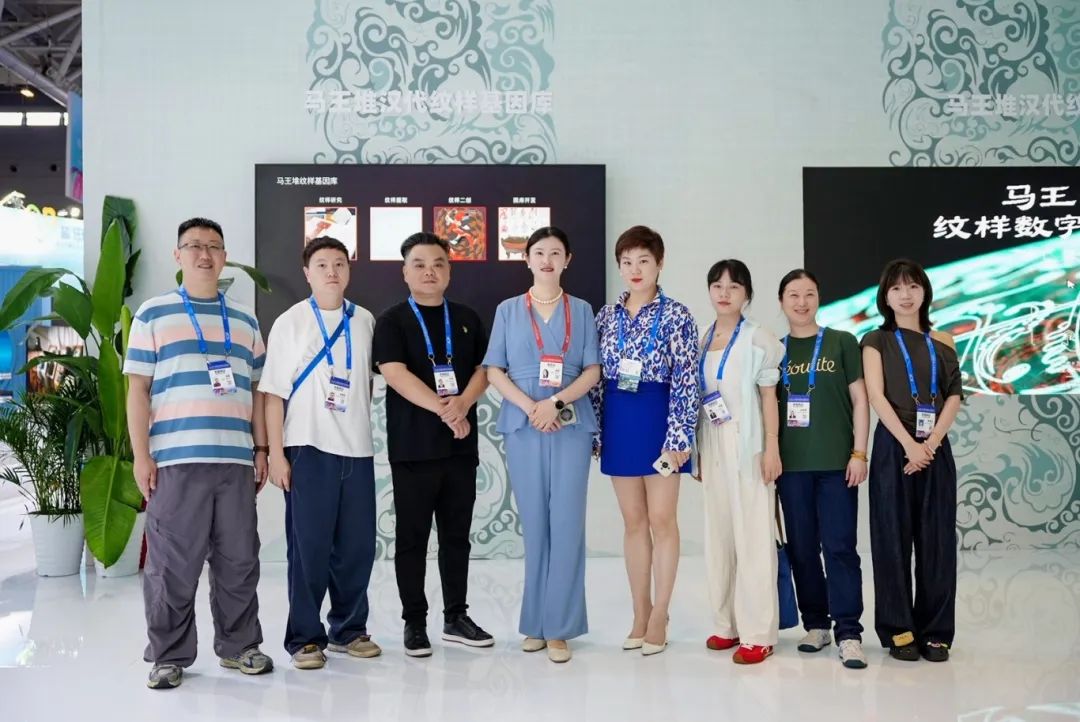
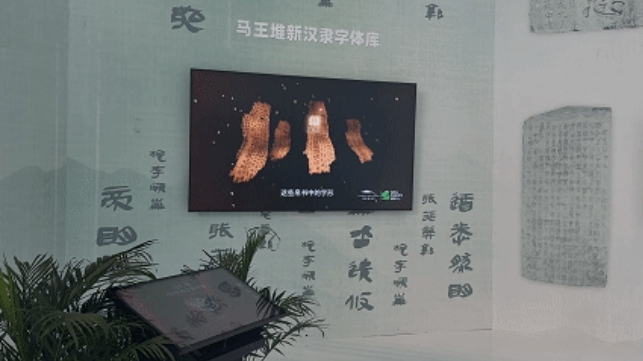
The annual new achievements of the “Digital Han Lifestyle” project—the digital gene bank of Mawangdui Pattern and the Mawangdui New Han Official Script Font—became the center of attention in the exhibition area.
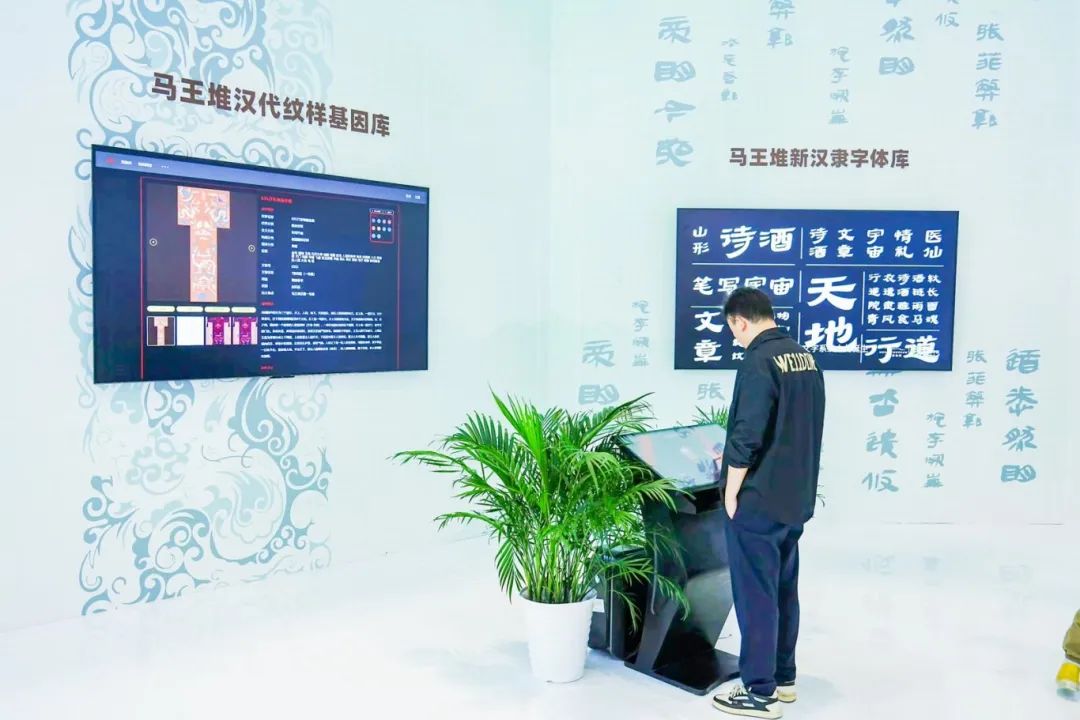
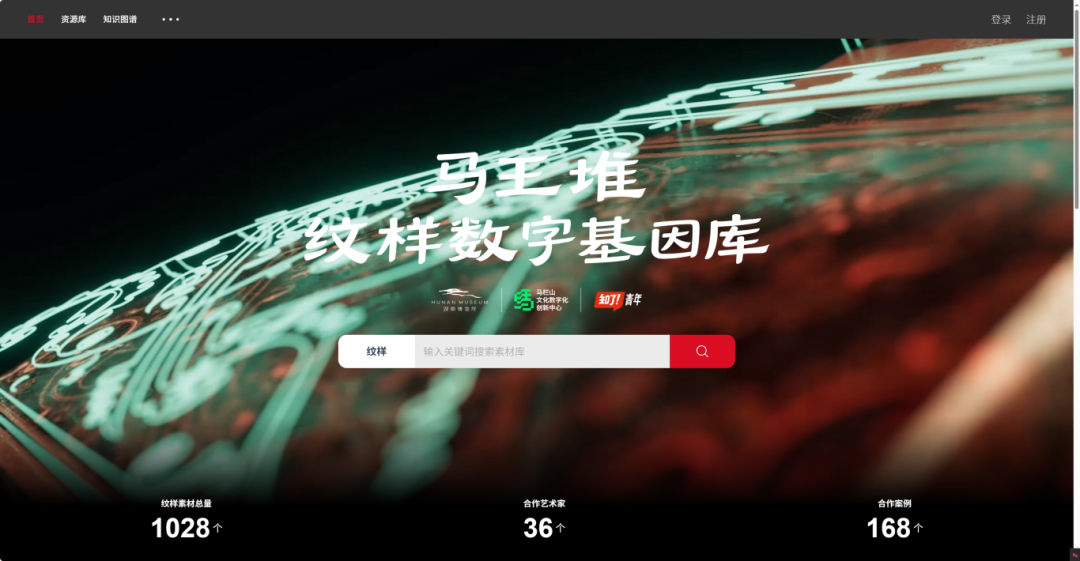
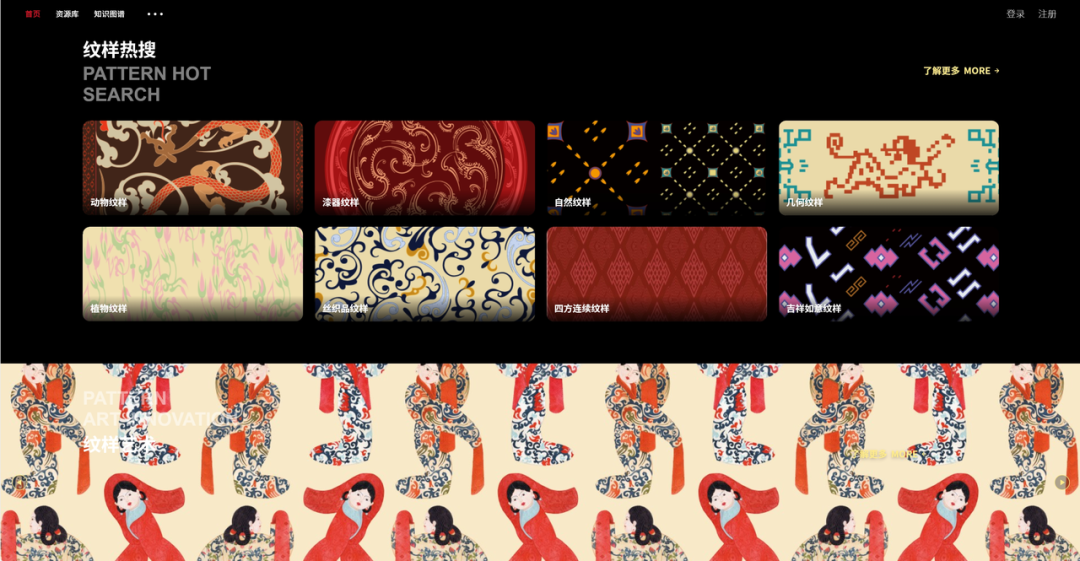
The digital gene bank of Mawangdui Pattern is a systematic Han Dynasty pattern library jointly developed by the Hunan Museum, the Malanshan Cultural Digital Innovation Center, and Hunan Cicada Modern Culture Co., Ltd. Based on artifacts unearthed from the Mawangdui Han Tomb, it enables high-precision pattern restoration, cultural interpretation, and creative application, serving as a “Han Dynasty Aesthetics Toolbox” for the design community. It also opens a portal for visitors to experience Han culture. Through an immersive interactive screen, visitors can deeply explore ten treasures, such as the coffin with painted designs on vermilion lacquer coating and the “auspicious eating” black-ground vermilion cloud-pattern lacquer round box, participating in real-time intelligent pattern extraction, dynamic coloring, and secondary creation, achieving cross-temporal dialogue with cultural heritage.
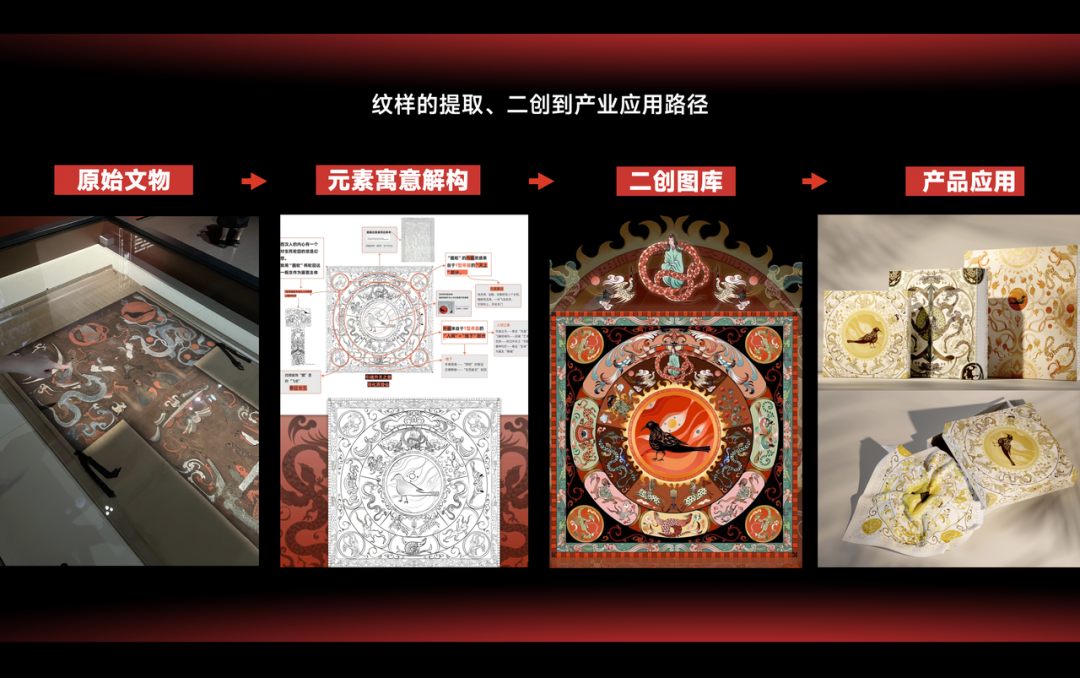
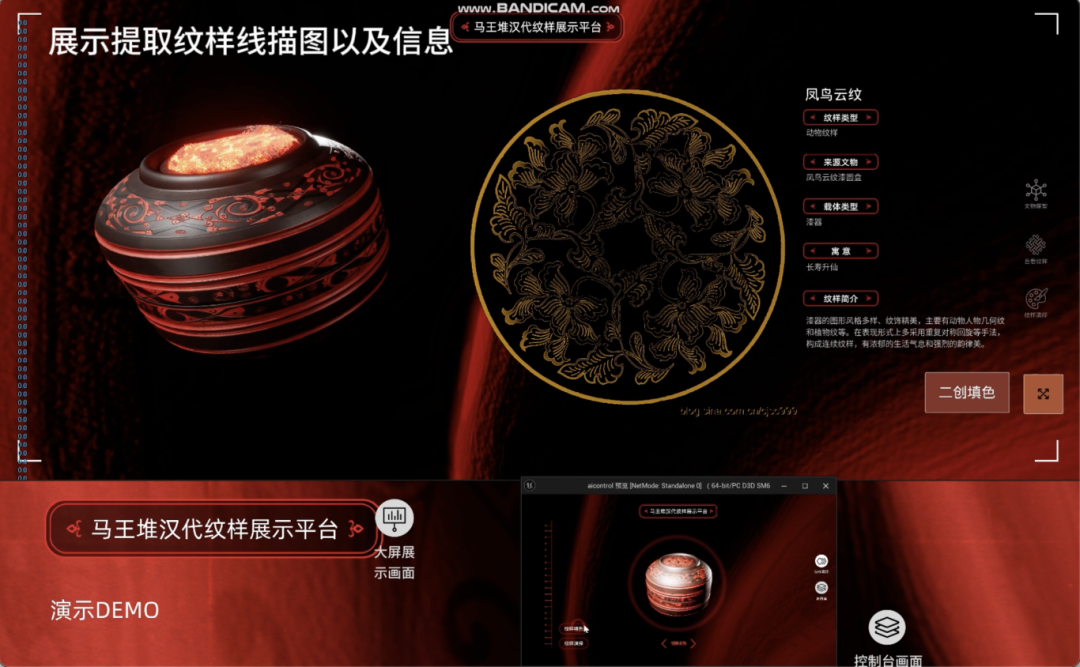
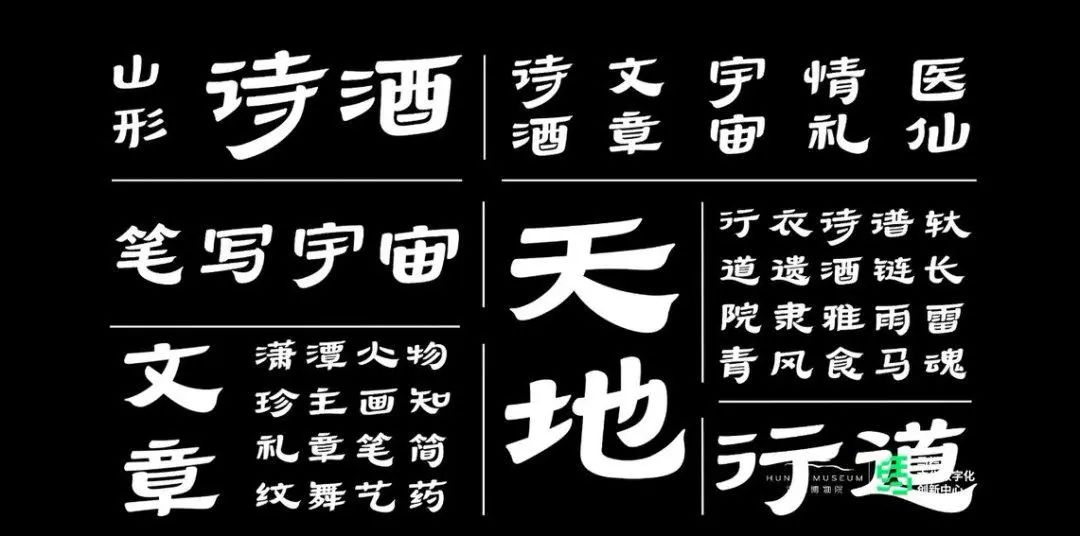
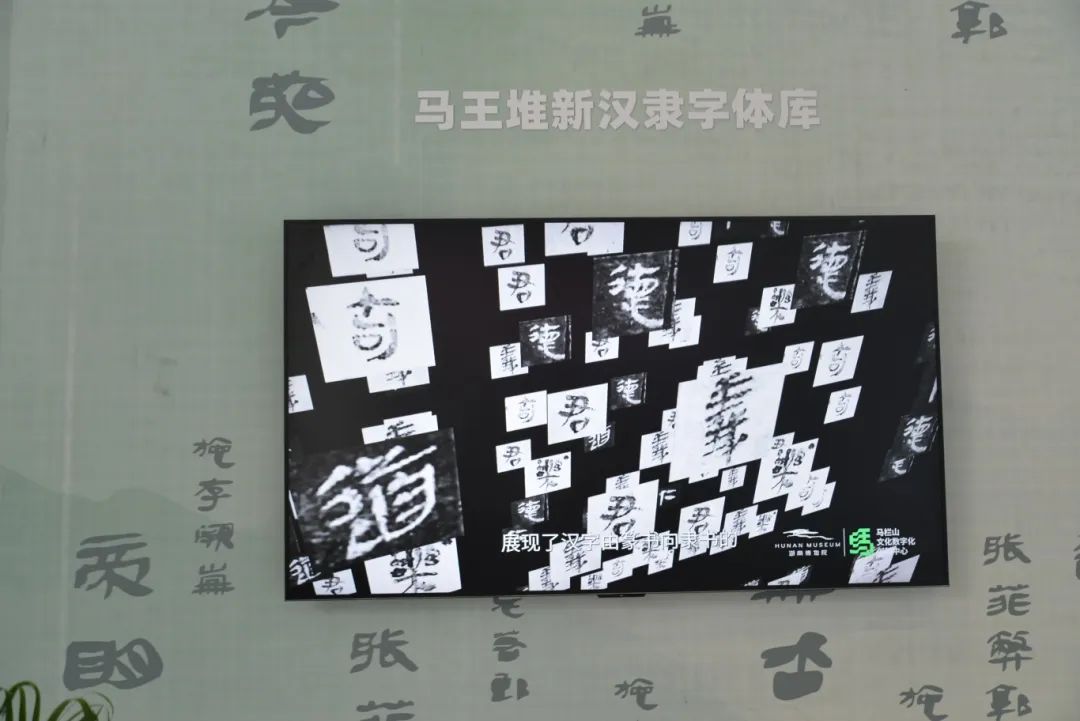
In addition to the digital gene bank of Mawangdui Pattern, this year’s ICIF also debuted the “Mawangdui New Han Official Script Font,” creatively transformed from a database of over 130,000 characters of silk manuscripts unearthed from the Mawangdui Han Tomb. It accurately reproduces the brushstroke characteristics of the transition period between seal script and official script, “strokes shaping like silkworm head and wild goose tail, combining square and round forms,” retaining the essence and charm of silk manuscript Han official script while accommodating the norms and usability of modern fonts. At a time when museums are facing the transformation from “storage rooms” to “hard drives,” the implementation of the “Digital Han Lifestyle” project breaks down the temporal and spatial barriers of millennia-old cultural relics, integrating cultural heritage into daily life and providing a replicable model for revitalizing digital assets across the industry.
Highlight 3:
“Integration of Digital and Physical Realms”—Technology Unlocks New Modes of Interaction with Cultural Relics
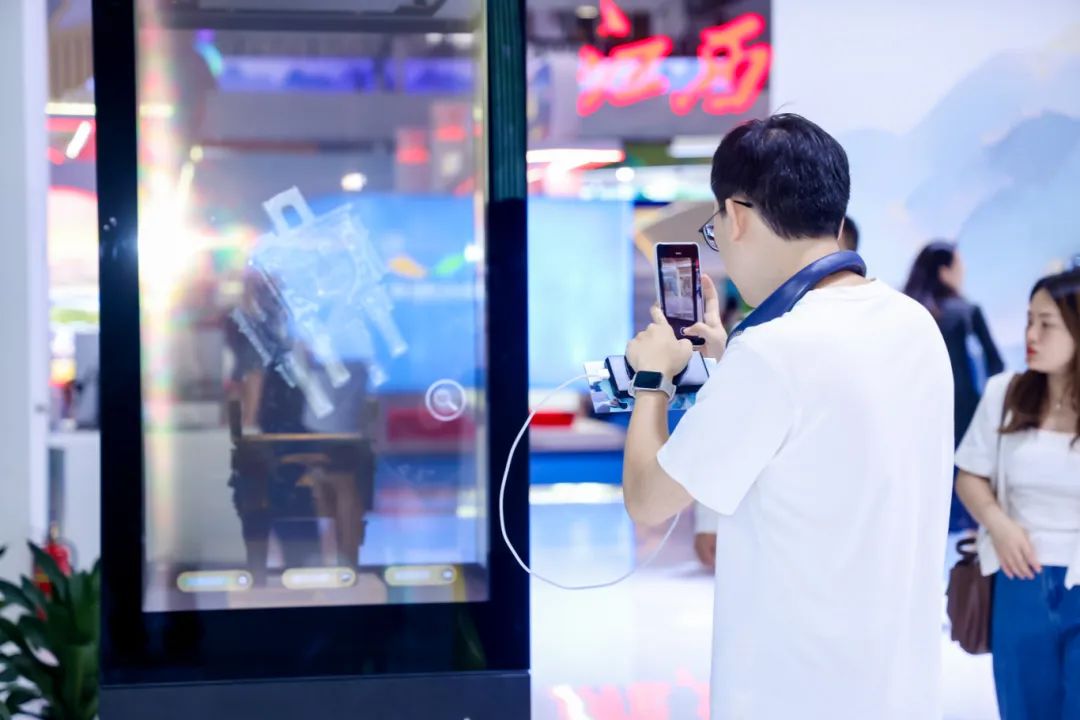
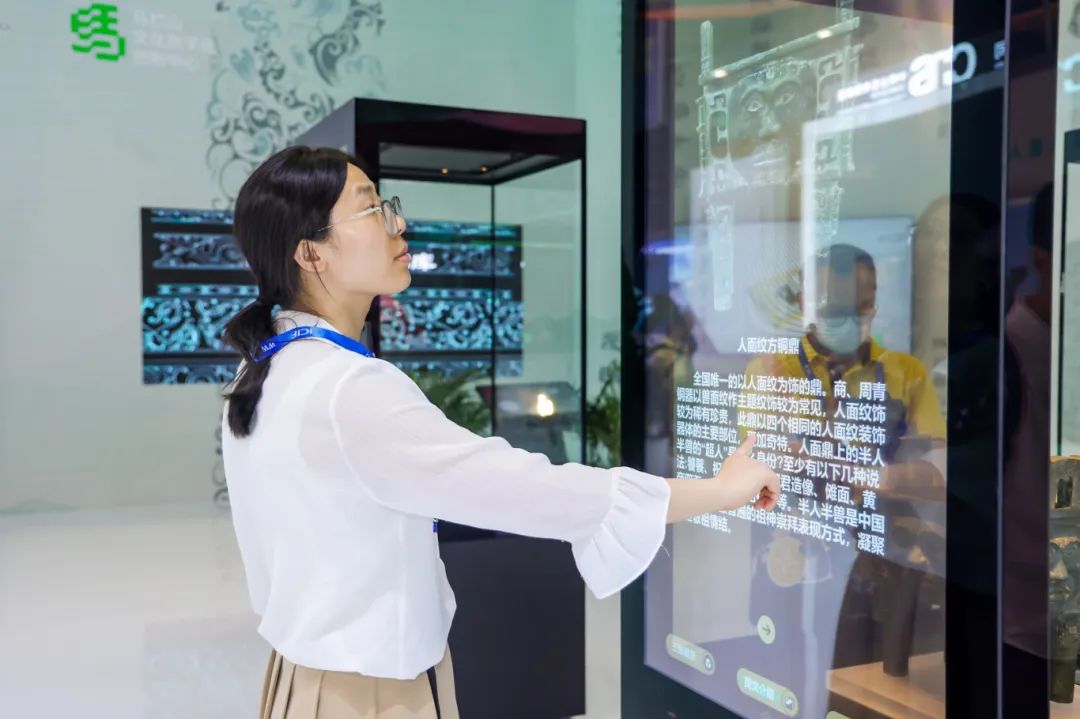
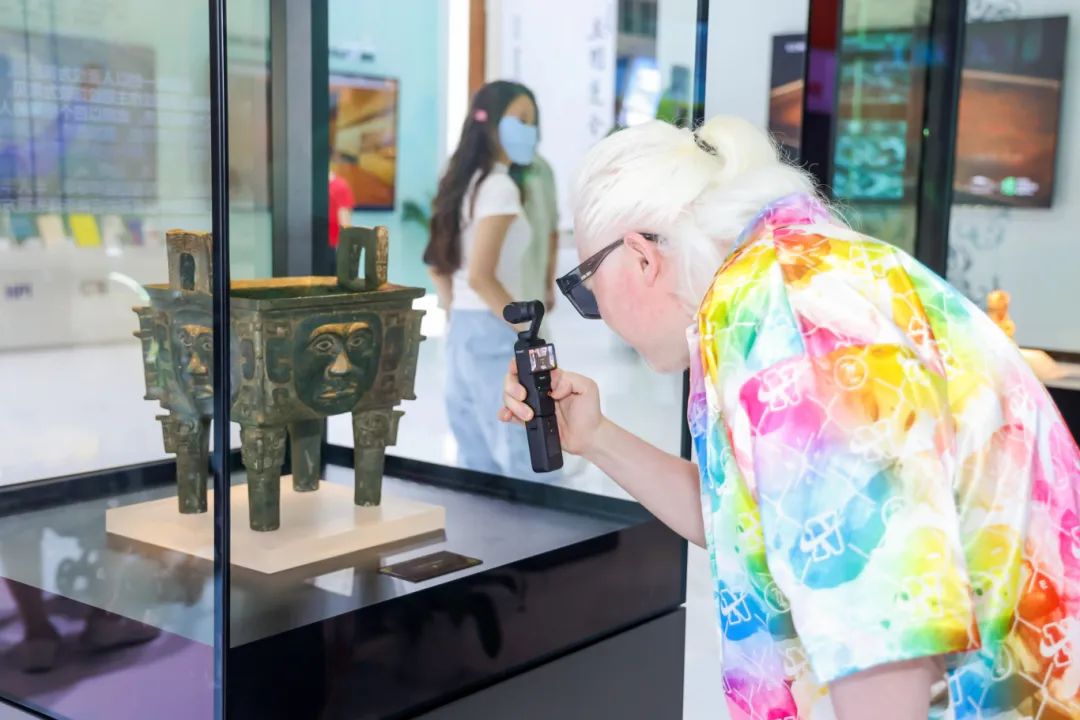
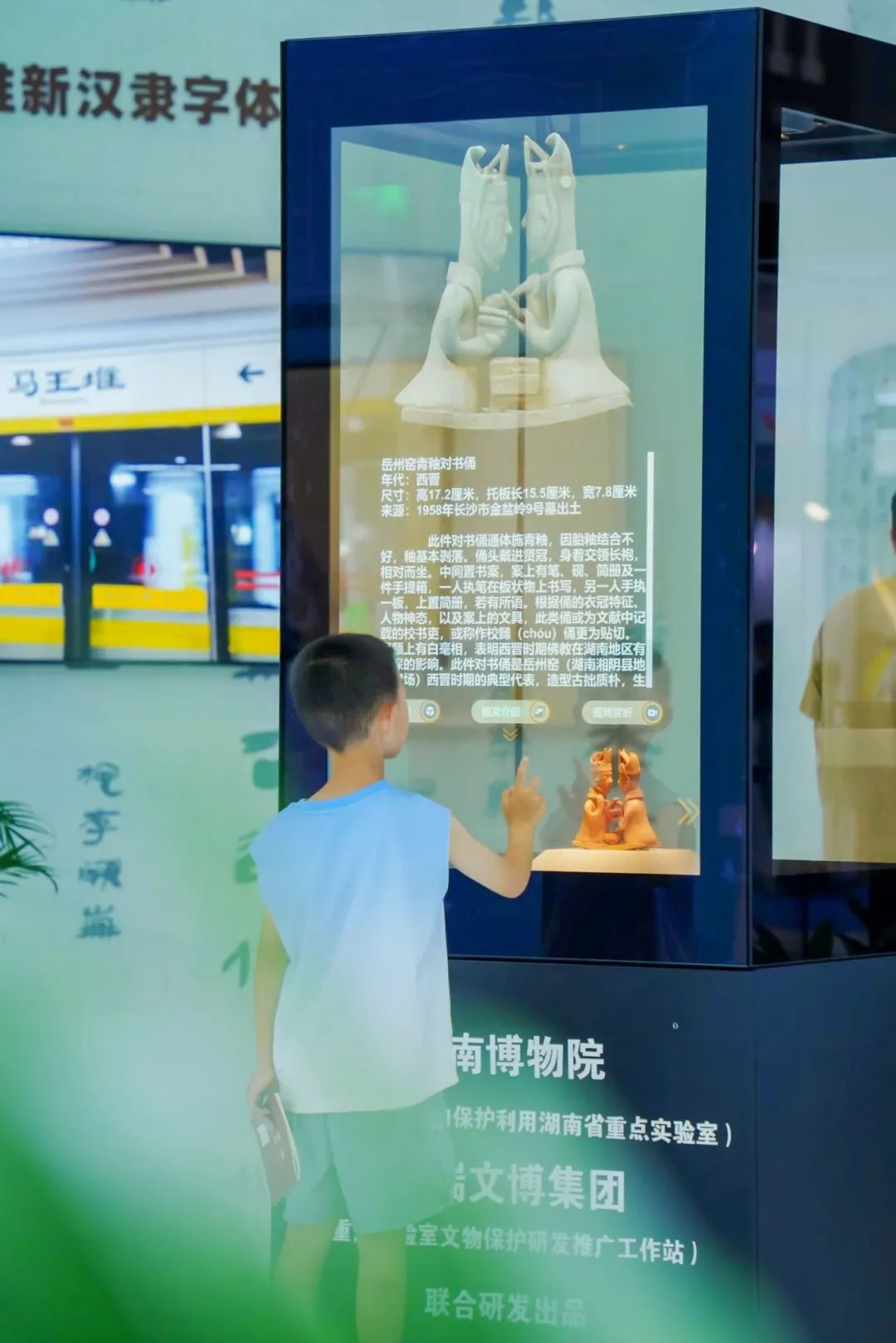
On the day of the exhibition, the multifunctional digital cultural relic display cabinet, jointly developed and produced by the Hunan Museum and Hongrui Wenbo Group Co., Ltd., attracted large audiences who stopped to interact. This display cabinet won the eighth “National Top Ten Cultural and Museum Technology Products and Services Award” and features four core characteristics: “integration, connectivity, interactivity, and versatility.” It uses AI interaction to display digital twin replicas of the Hunan Museum’s “Human-Face Pattern Square Bronze Ding” and “Yuezhou Kiln Celadon Twin Scribes Figurine,” revitalizing the cultural relics. They are no longer silent exhibits but partners capable of deep interaction with visitors. Through virtual technology, visitors can closely observe every detail of the relics, interpret the historical stories and cultural significance behind them, making history “speak” and cultural relics “come alive.”
Highlight 4:
“Reinventing Hunan Museum Aesthetics”—Technology Empowers the Industrialization of Cultural Relic IP Creative Products
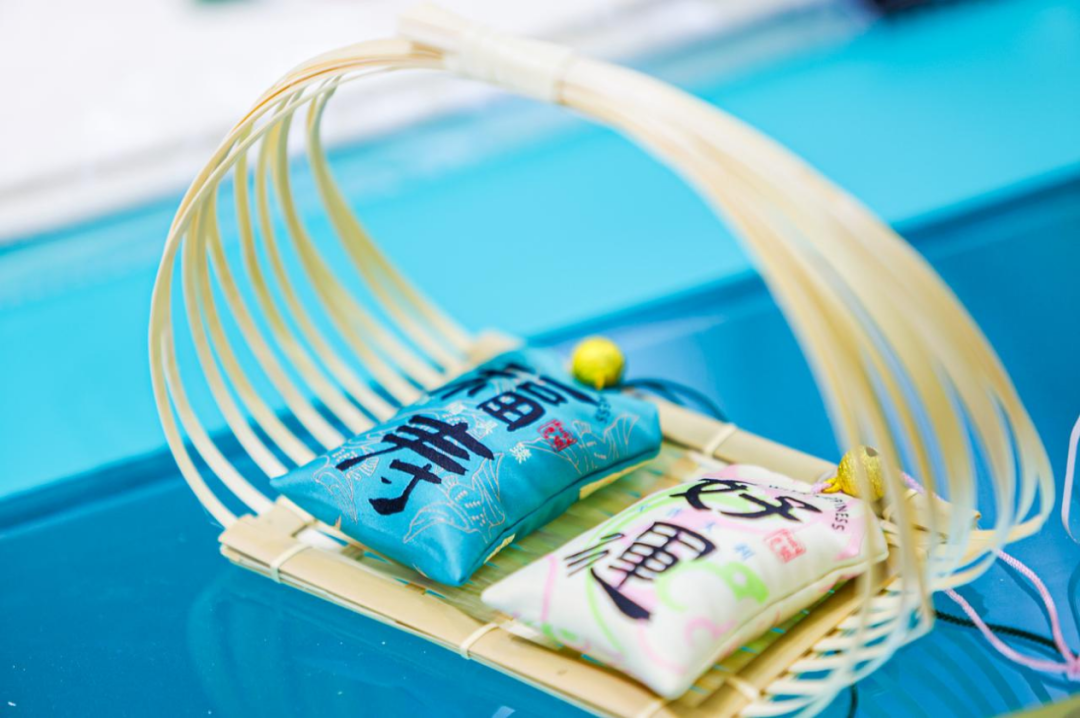
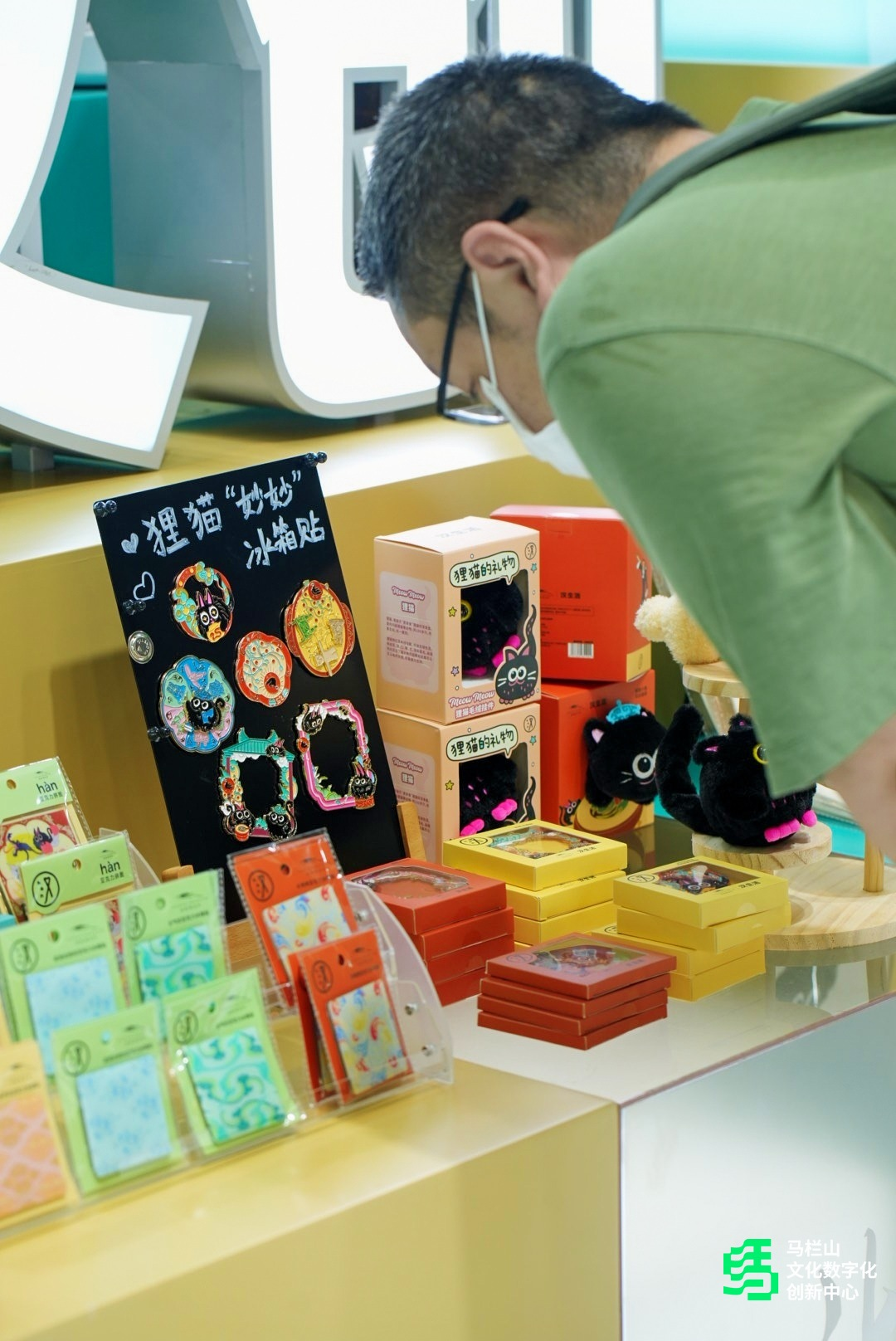
“Can I get this sachet, please?” “This pattern is so beautiful!” “The little leopard cat fridge magnet is adorable!”... In the Hunan Pavilion, a dazzling array of novel and diverse cultural creative products drew frequent admiration from visitors.
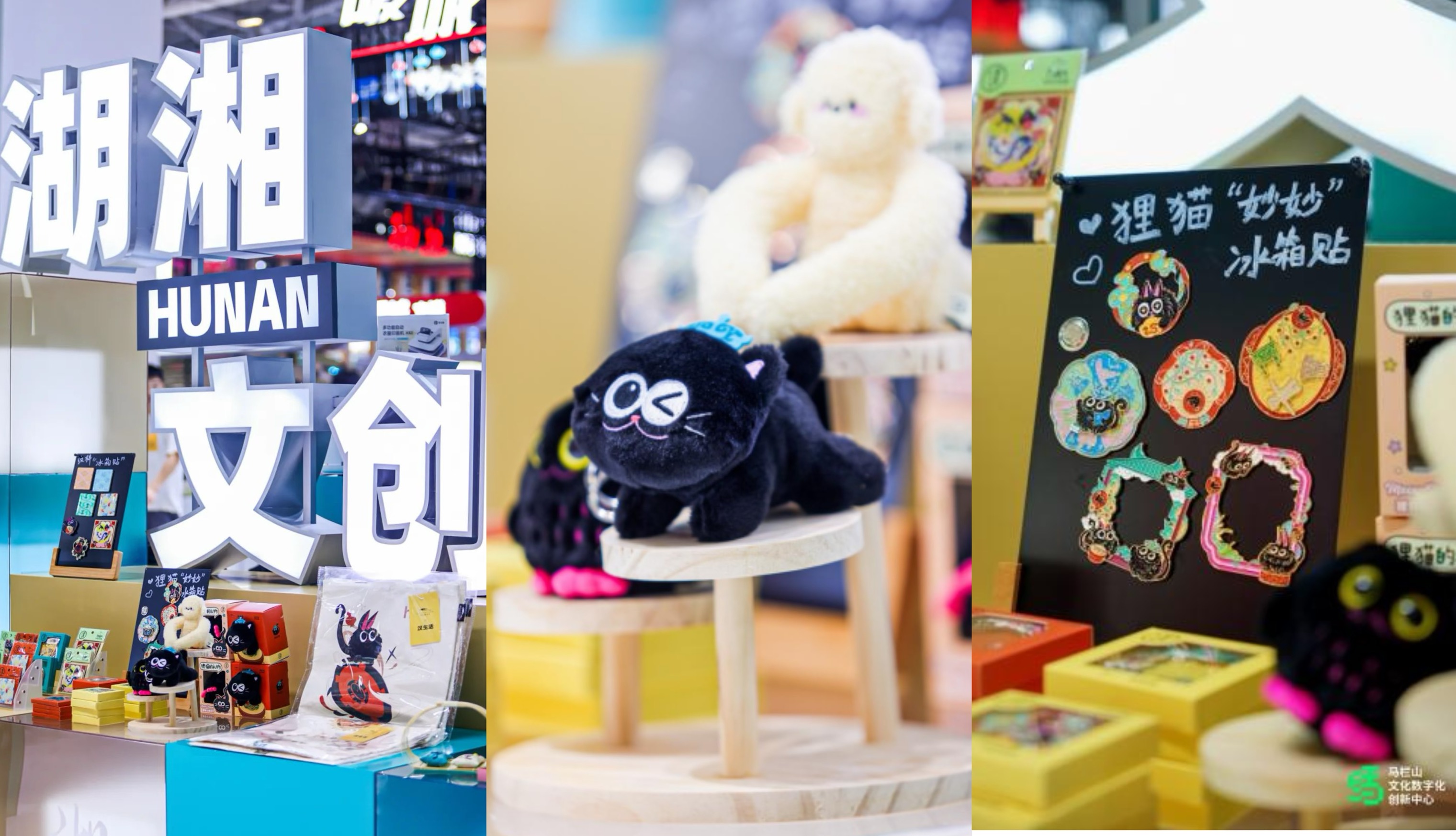
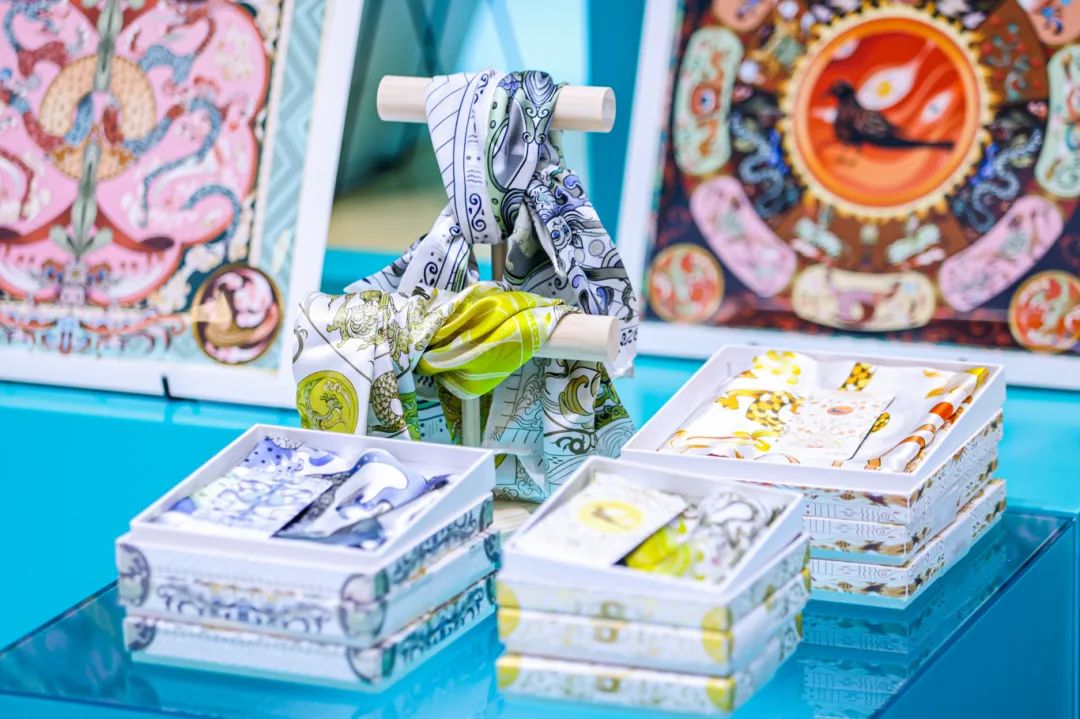
The “Miaomiao the Leopard Cat” fridge magnet, “Hugging Figurine” fridge magnet, and “Artistic Mawangdui” series silk scarves are cultural creative products developed by the Hunan Museum. They extract elements such as graphics, patterns, and text from artifacts unearthed from the Mawangdui Han Tomb, creatively reinterpret them, and combine them with the preferences and aesthetics of contemporary young audiences, creating products with Mawangdui identifiers and Hunan cultural characteristics. These innovations follow a progressive transformation of “pattern deconstruction—intangible cultural heritage reinvention—scenario integration,” building a complete chain from cultural relic elements to end consumers. They turn the museum’s cultural relic database into communicable and usable “top-tier” IPs, continuously fostering deep dialogue between traditional culture and contemporary aesthetics.
Here, history is no longer a dusty memory. Each cultural relic becomes a perceptible digital experience, using technological means to awaken cultural memories and promote the deep integration of “culture + technology.” This transforms the vision of “making traditional culture popular” and “bringing museums into daily life” into tangible, experiential, and communicable digital achievements. Through digital technology and innovative operational models, traditional culture is no longer confined to history but becomes a fashionable lifestyle, integrating into daily life, connecting the past and the future, reshaping the global influence of Chinese culture, and allowing Chinese civilization to radiate new brilliance in the digital age.