“Meet Pompeii: The Eternal City” Exhibition Opens at the Hunan Museum
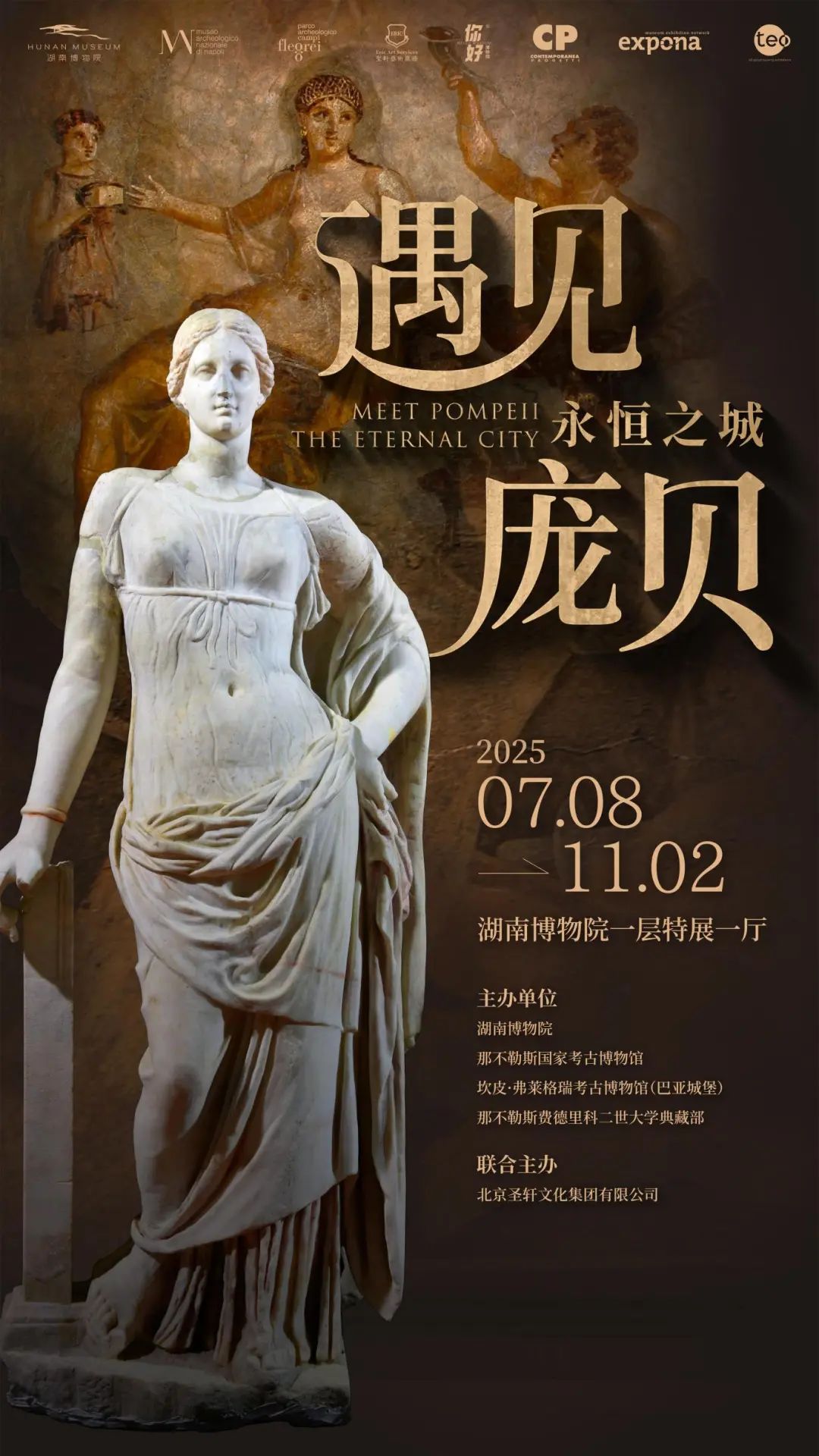
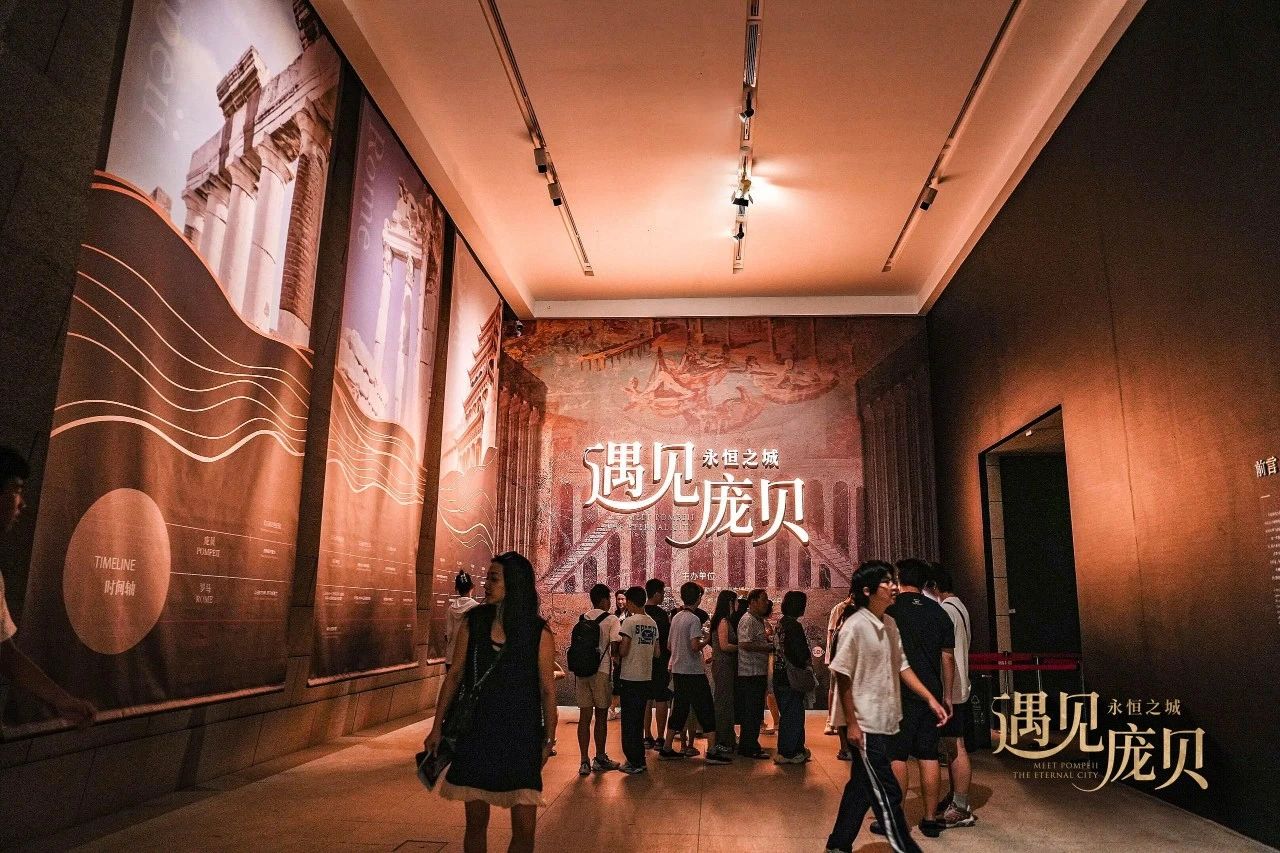
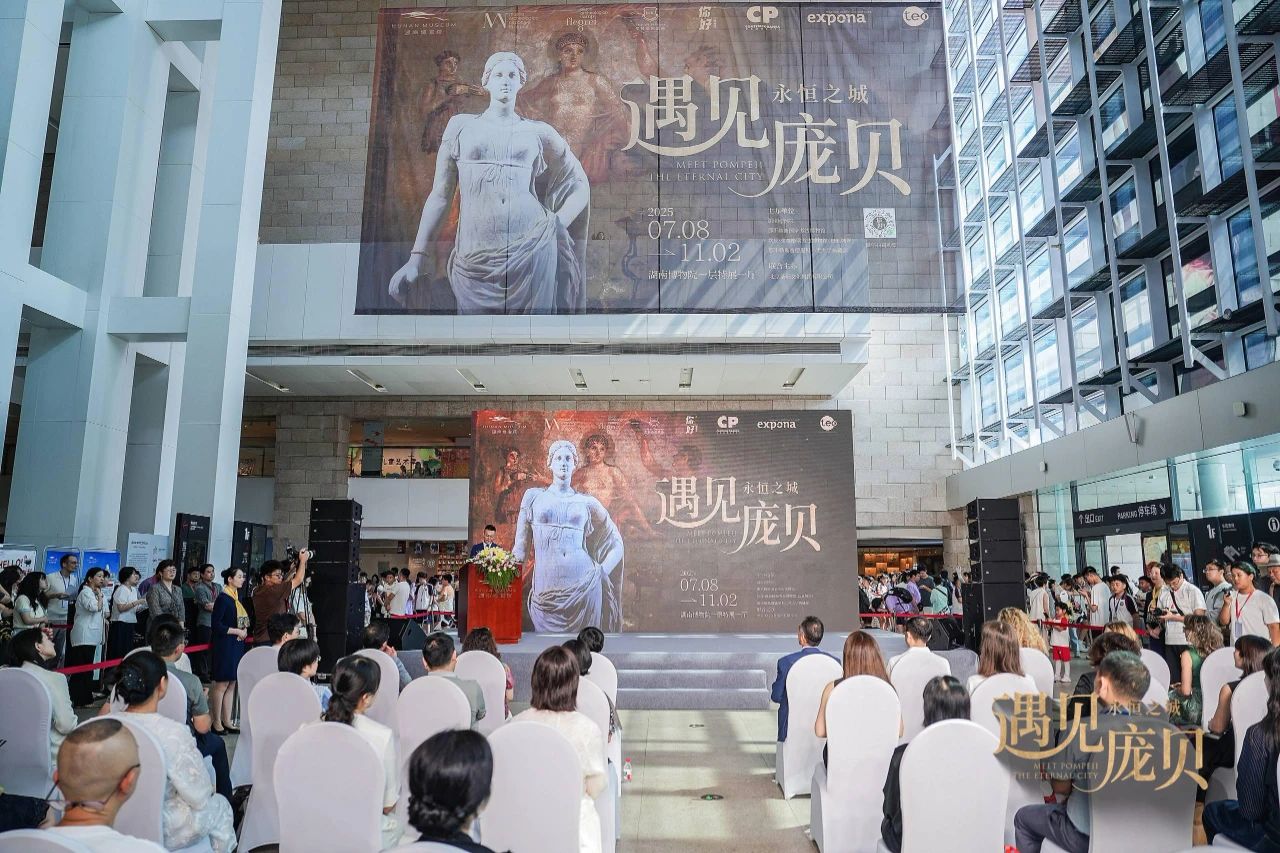
On the morning of July 8, the exhibition “Meet Pompeii: The Eternal City” opened at the Special Exhibition Hall 1 on the first floor of the Hunan Museum. It is jointly hosted by the Hunan Museum, the National Archaeological Museum of Naples, the Archaeological Museum of Campi Flegrei in the Castle of Baia, and the Collections Department of the University of Naples Federico II, and co-organized by Beijing Shengxuan Culture Group Co., Ltd. Later that day, related events, including the opening ceremony and academic lectures, were held at the museum.
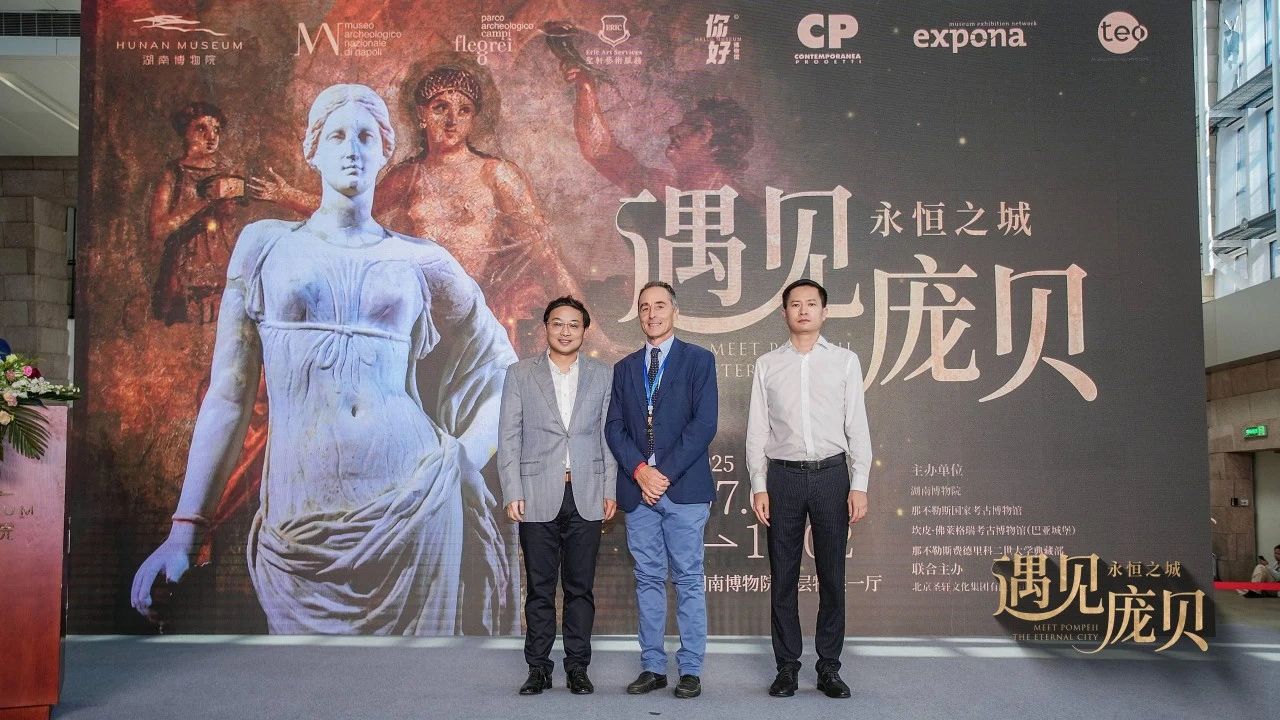
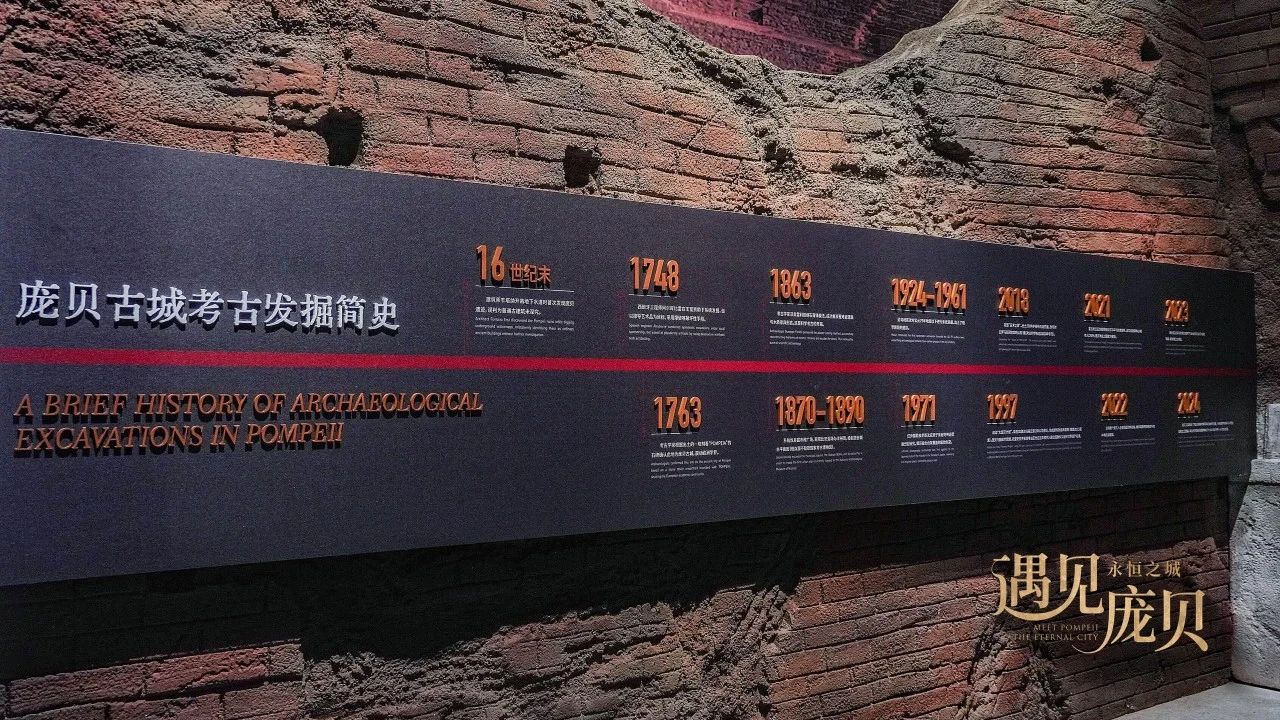
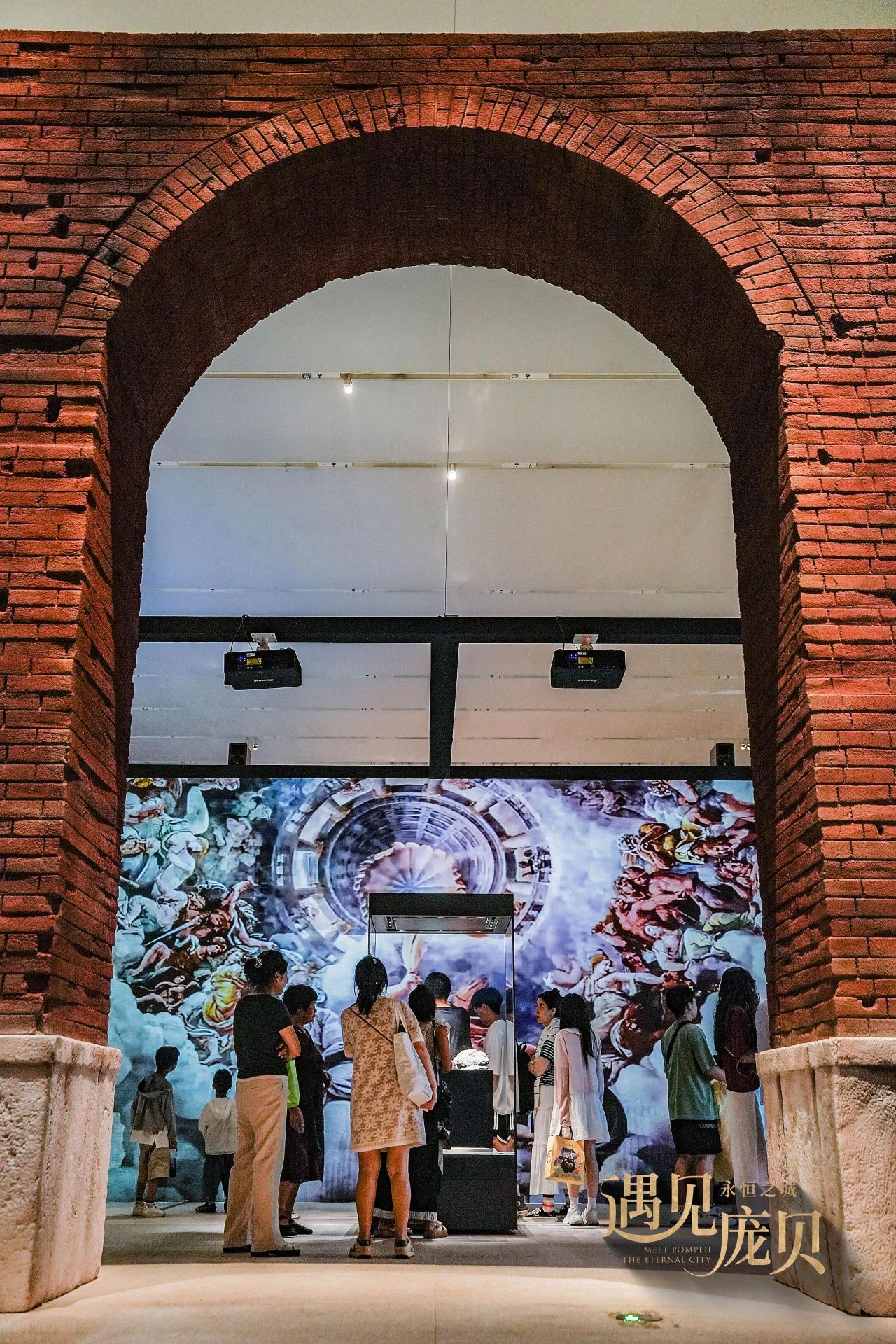
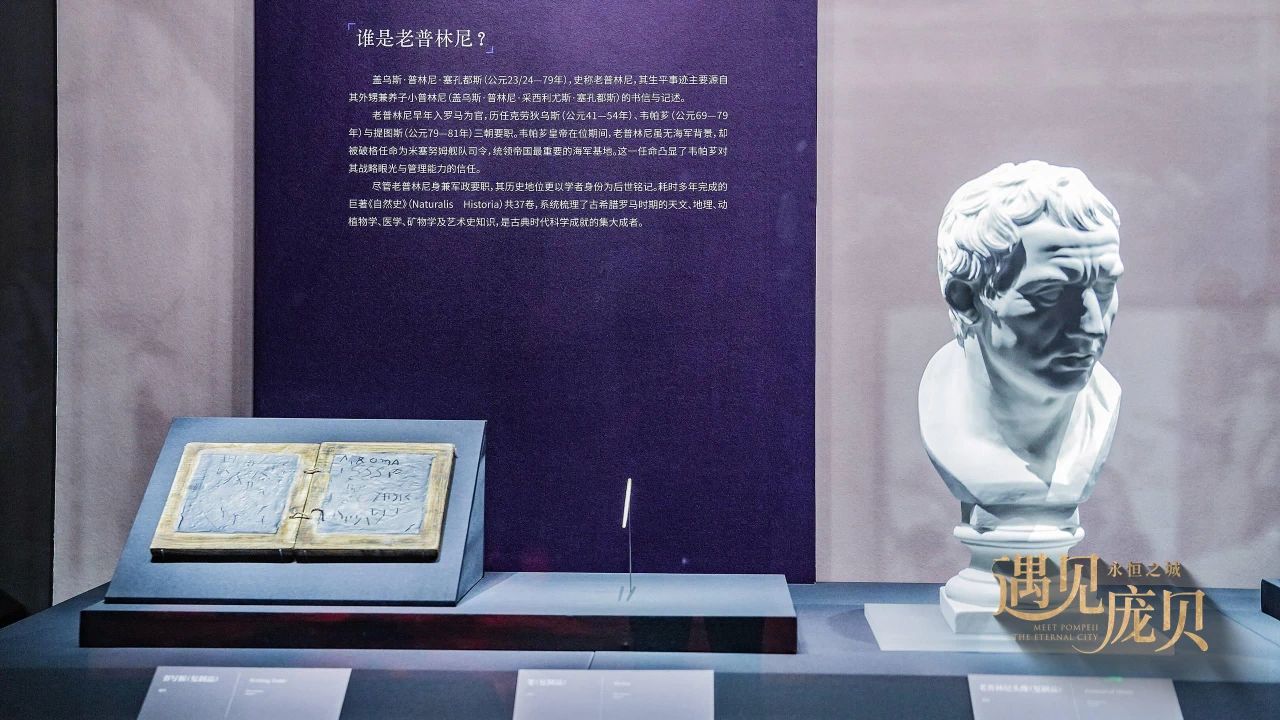
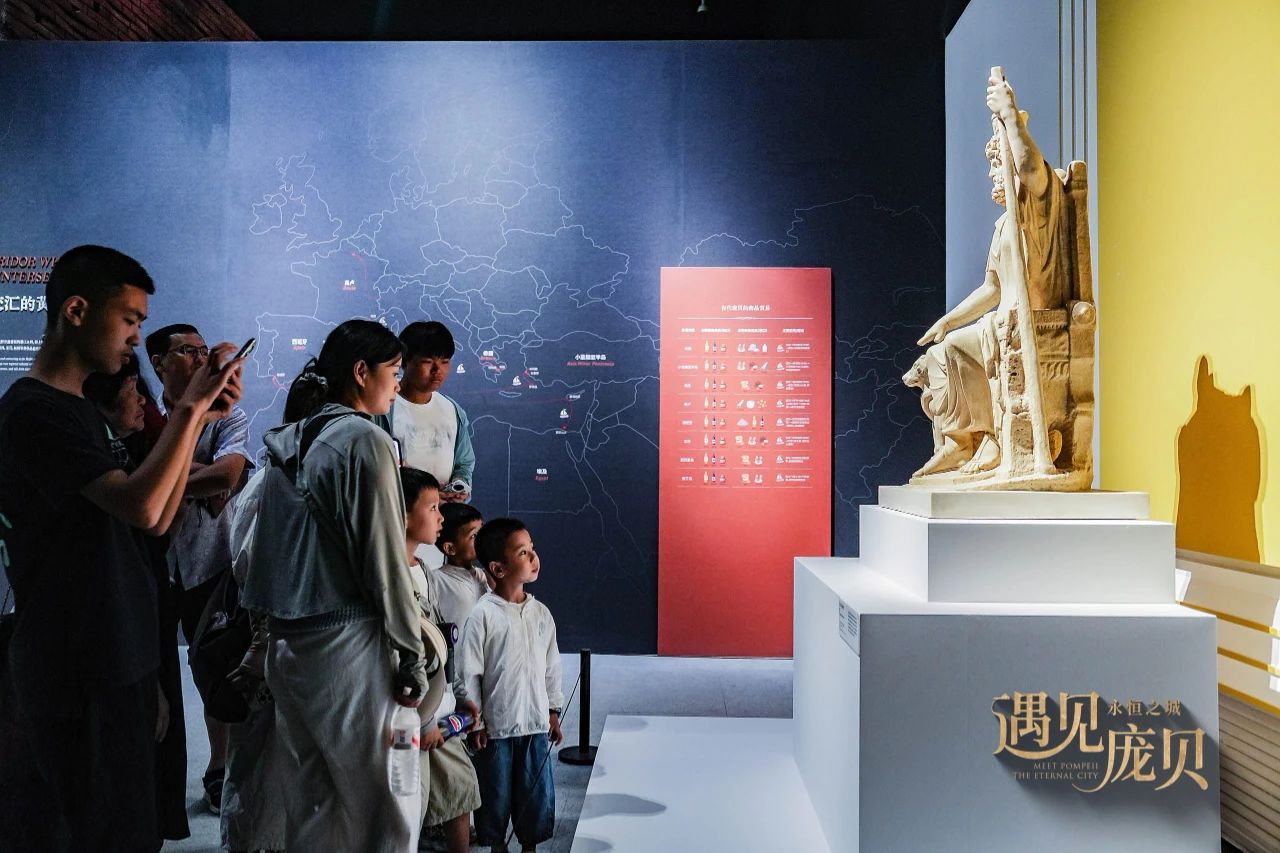
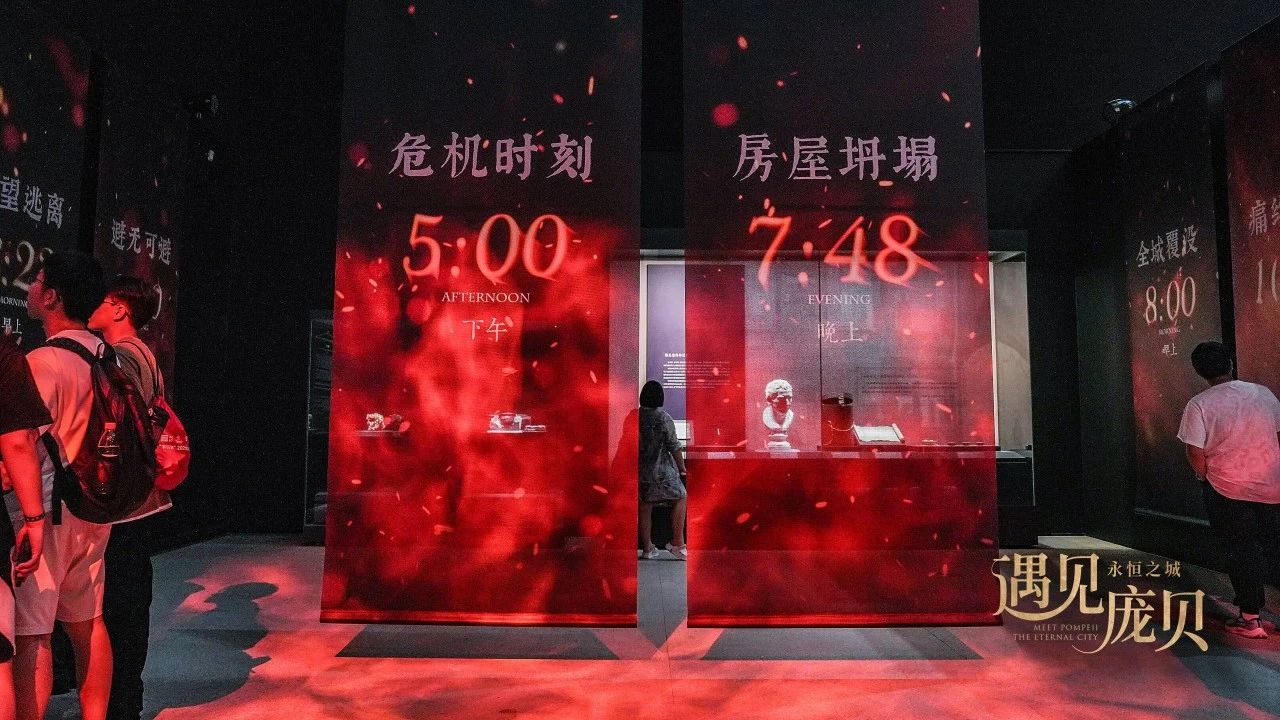
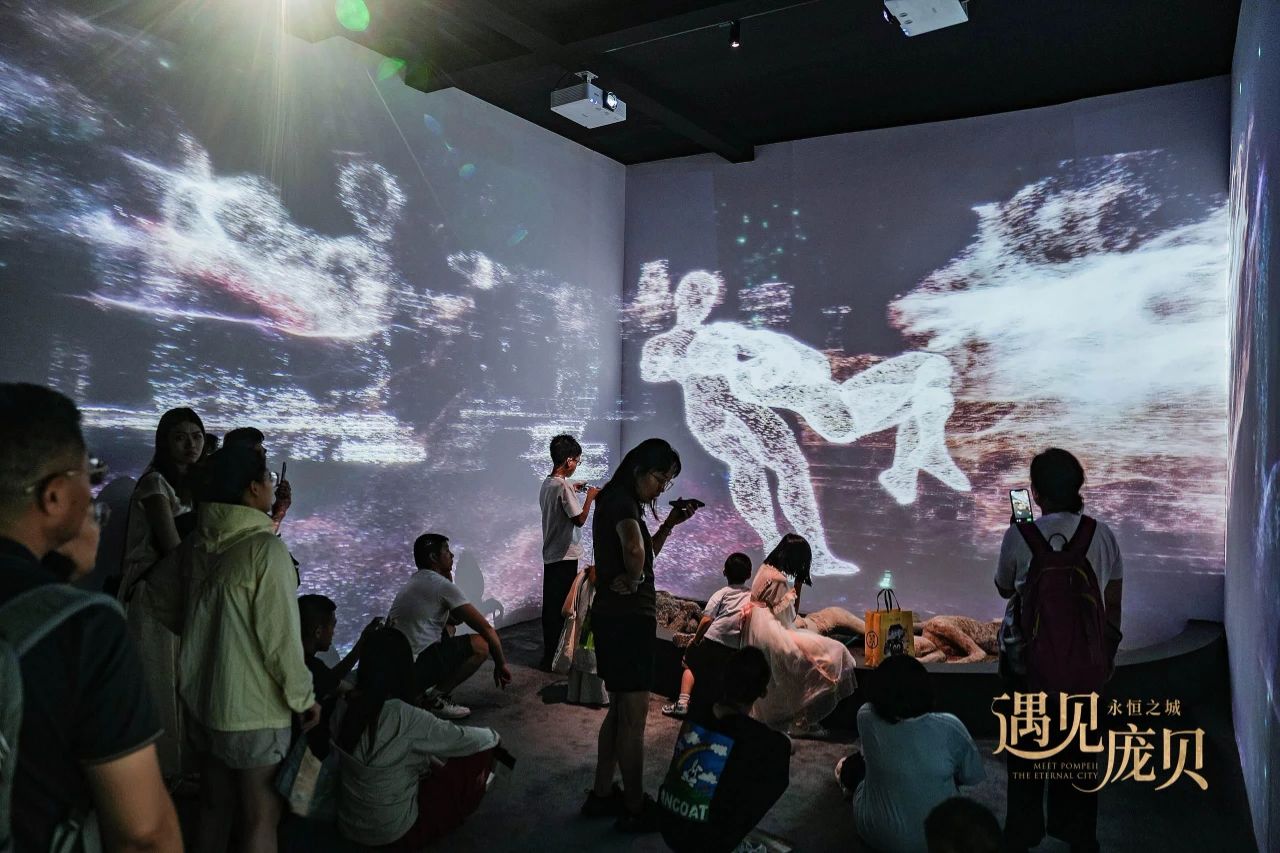
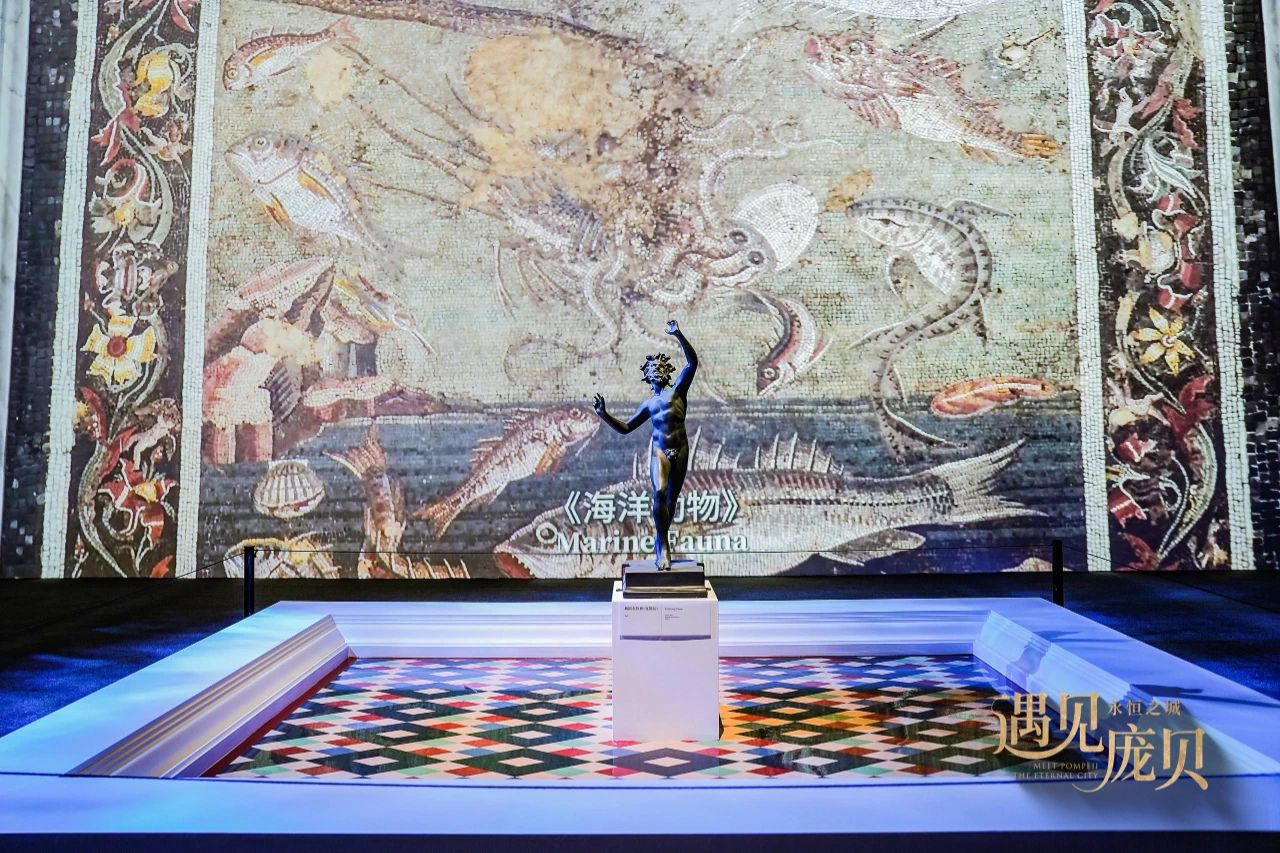
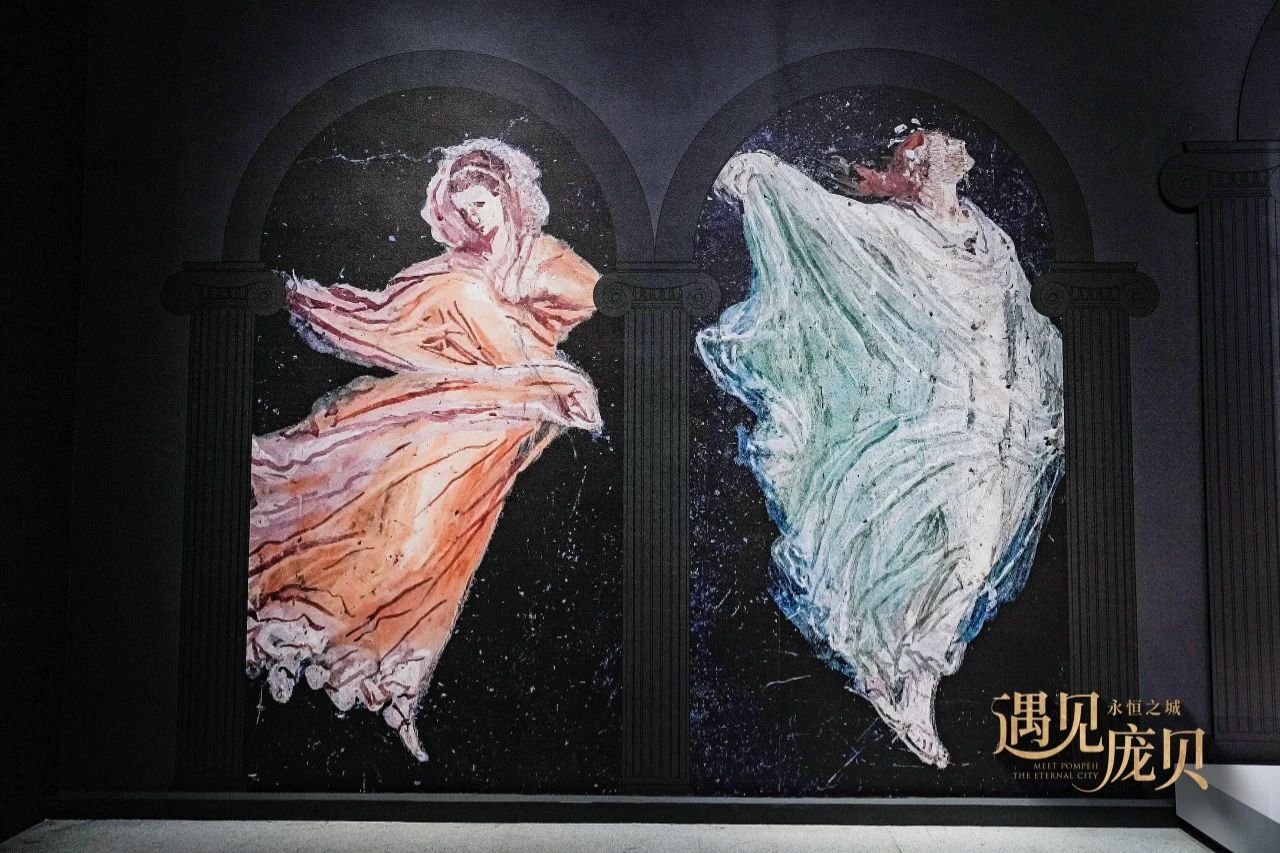
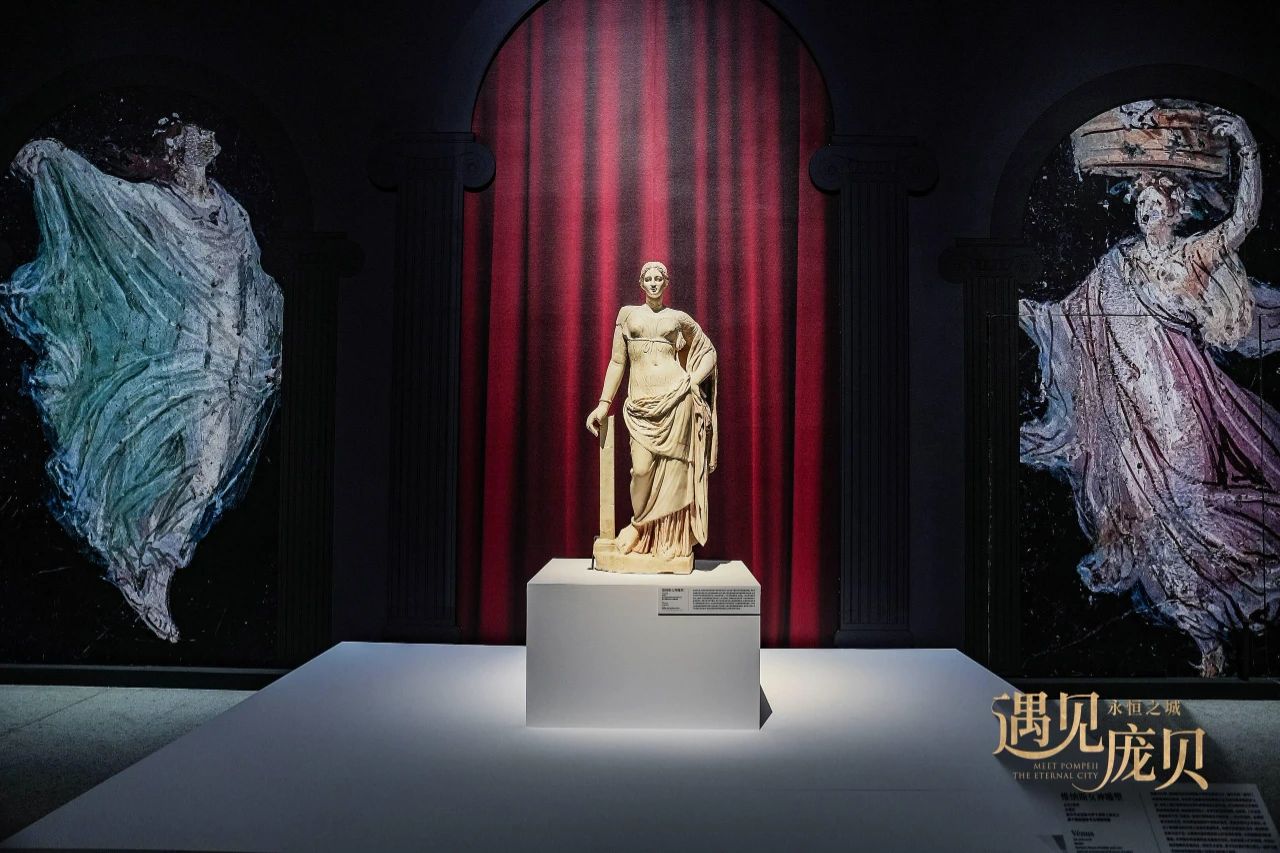
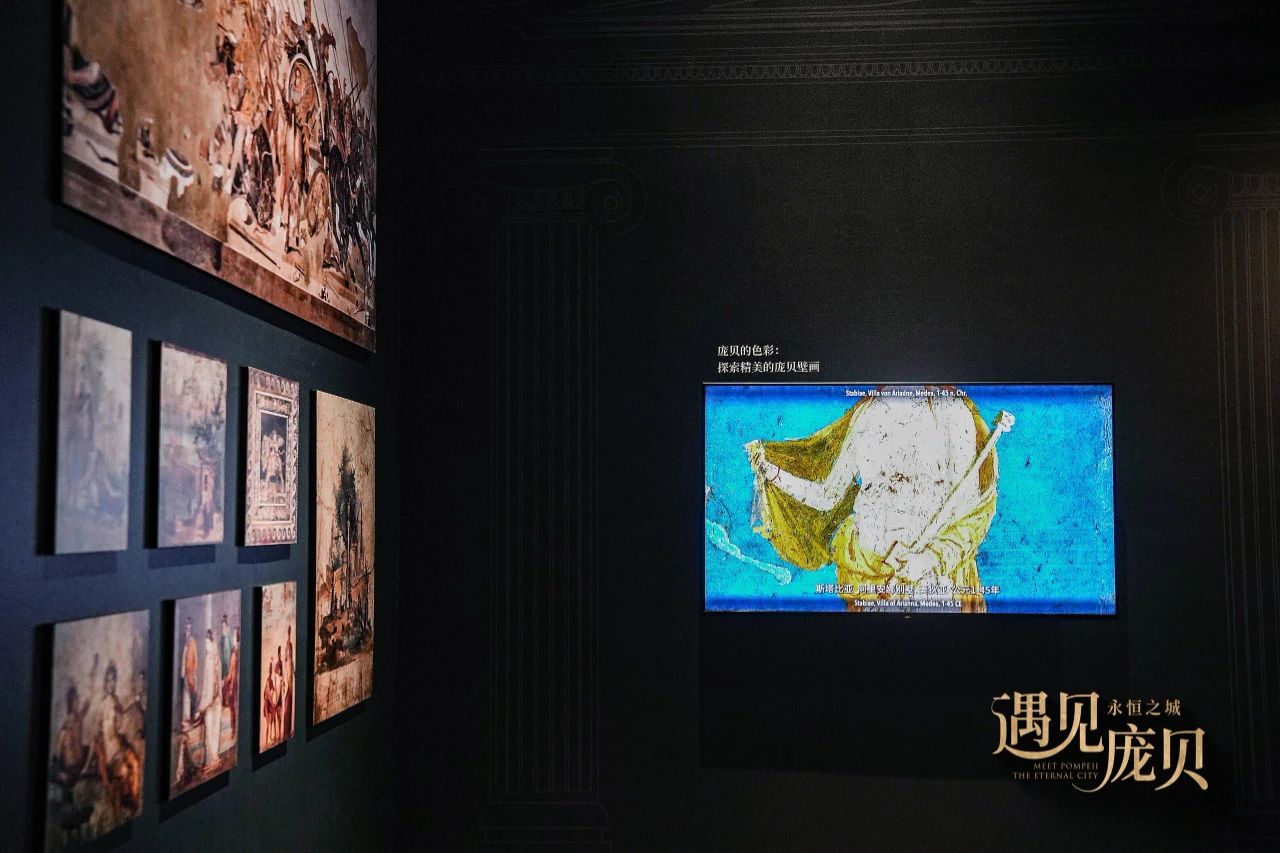
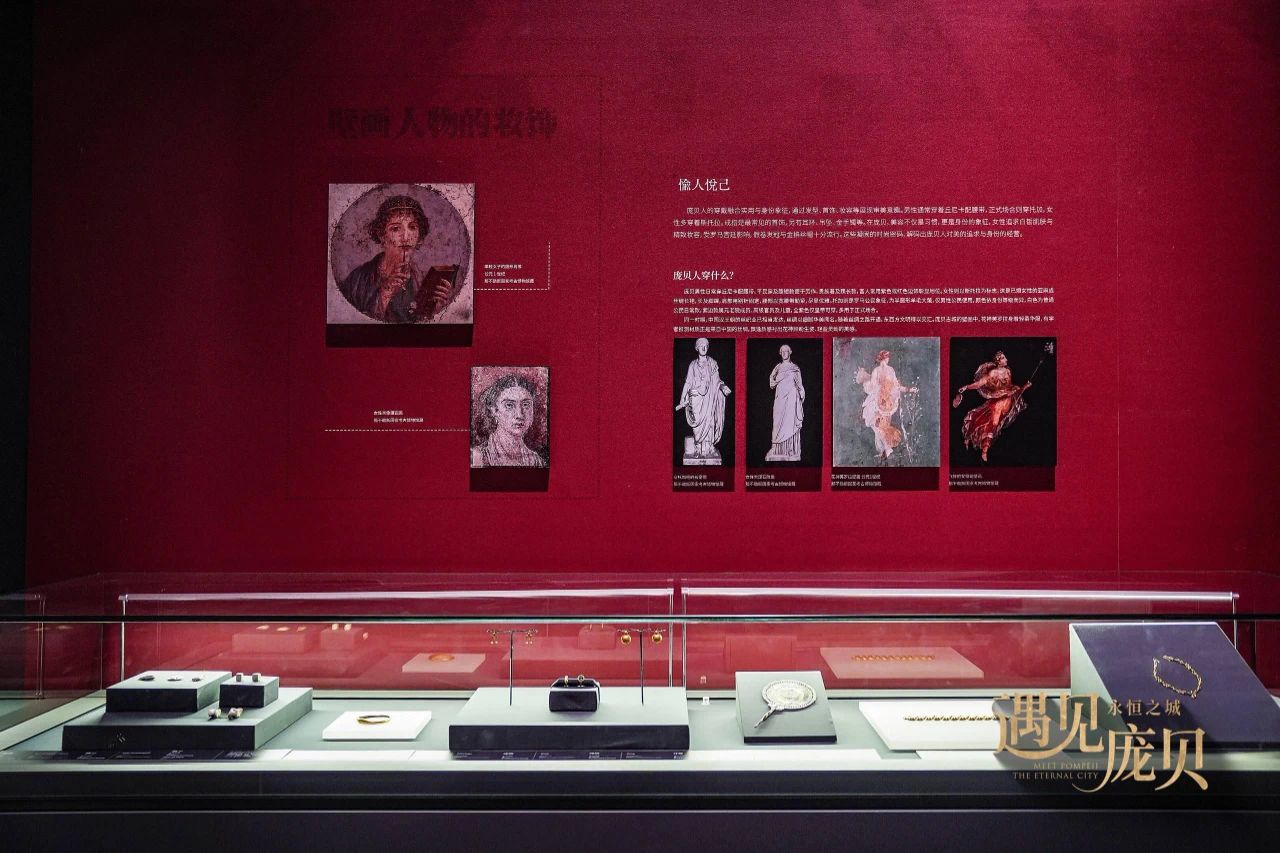
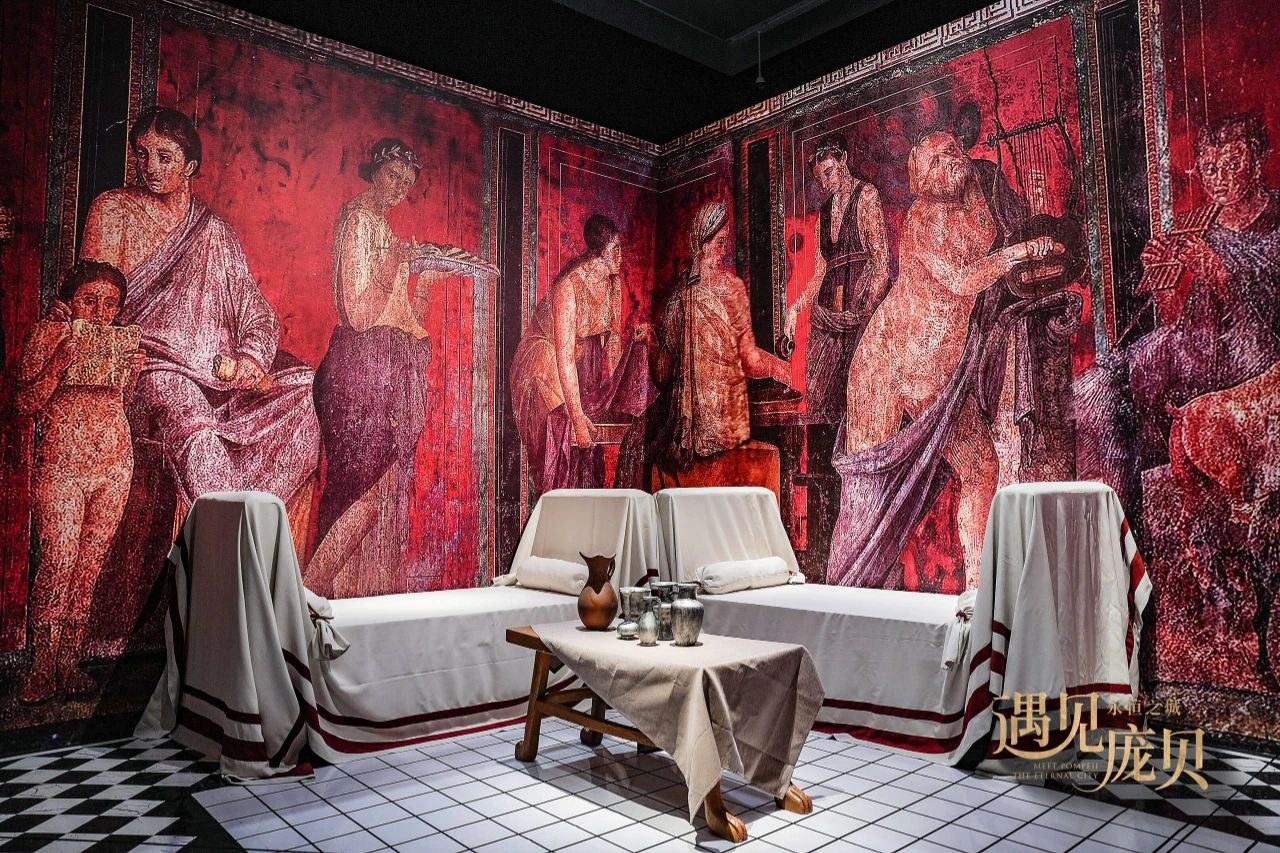
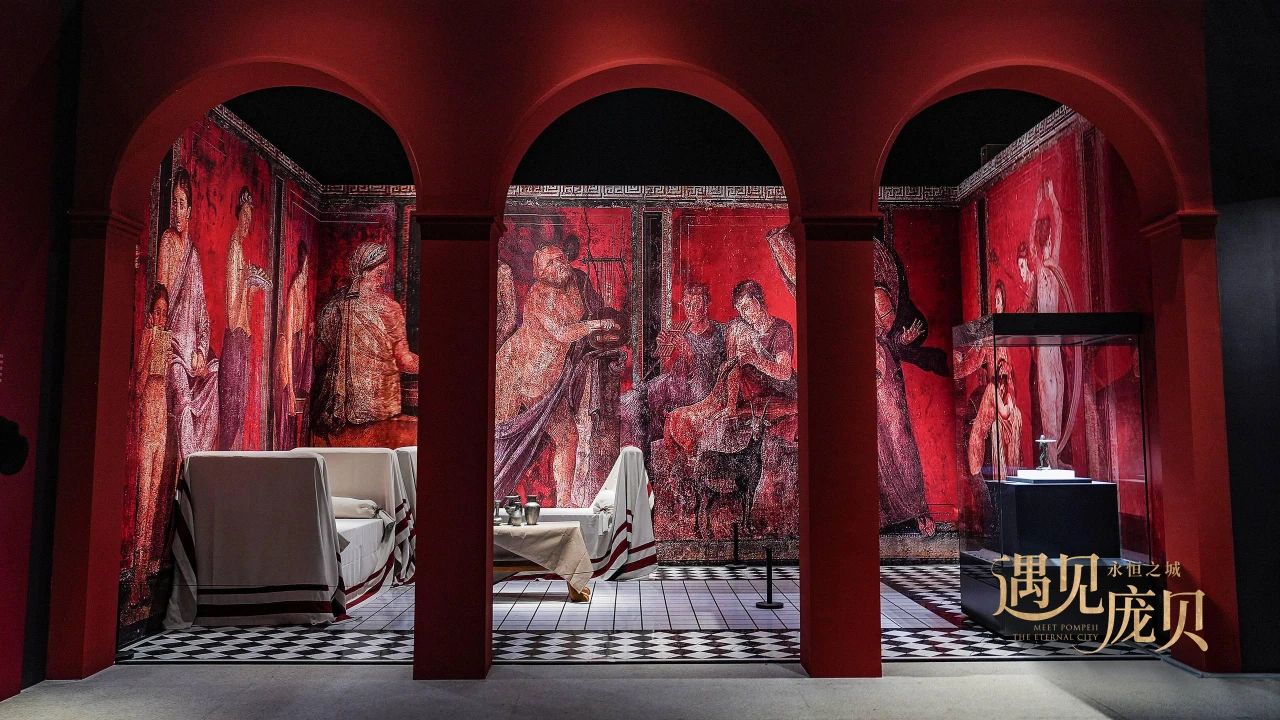
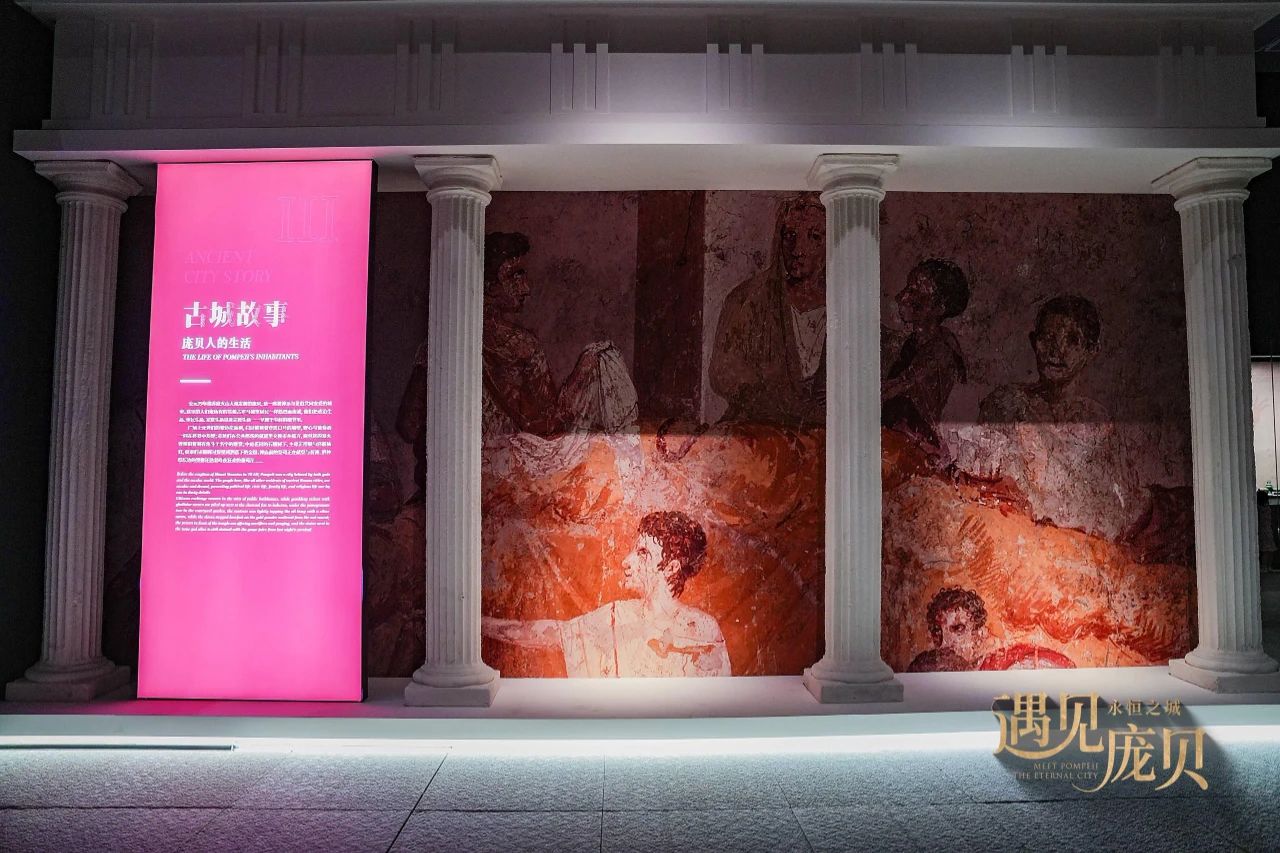
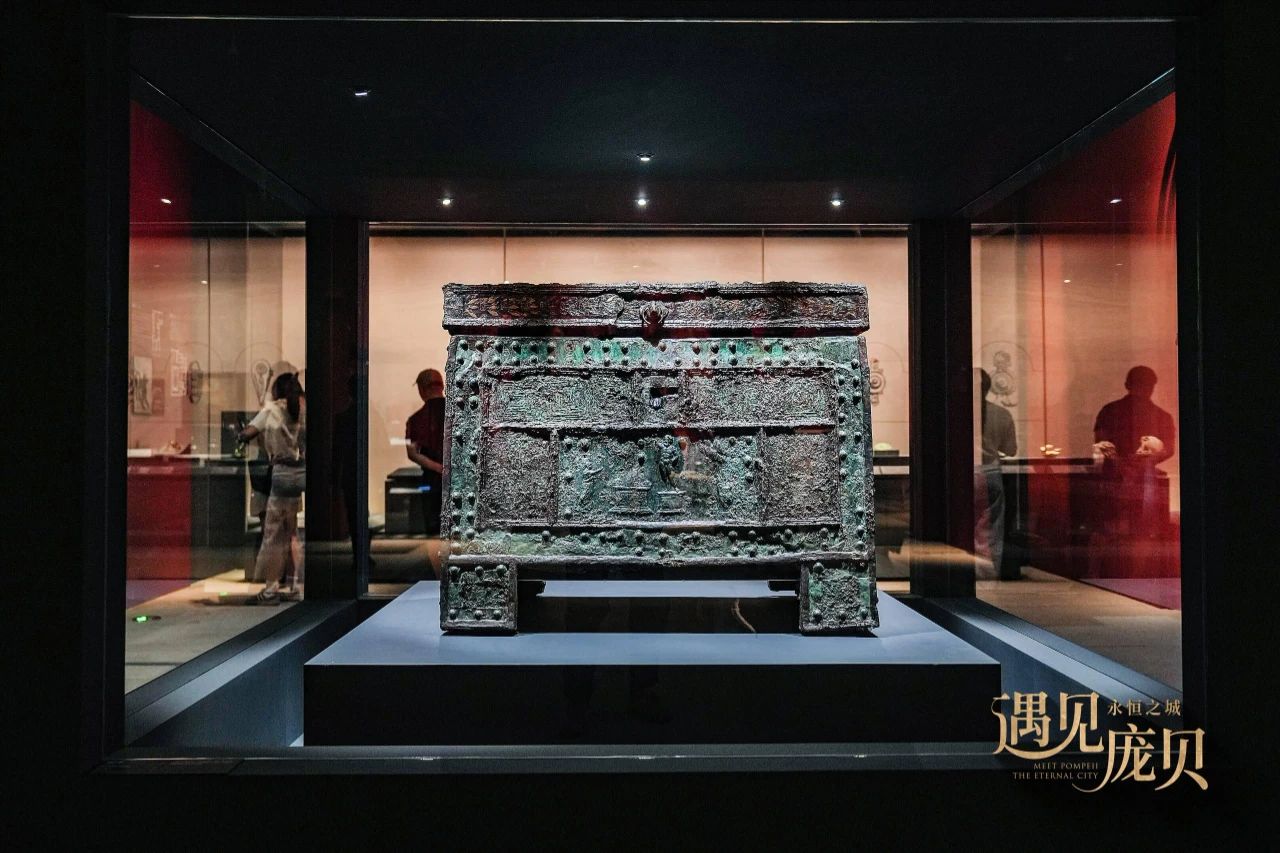
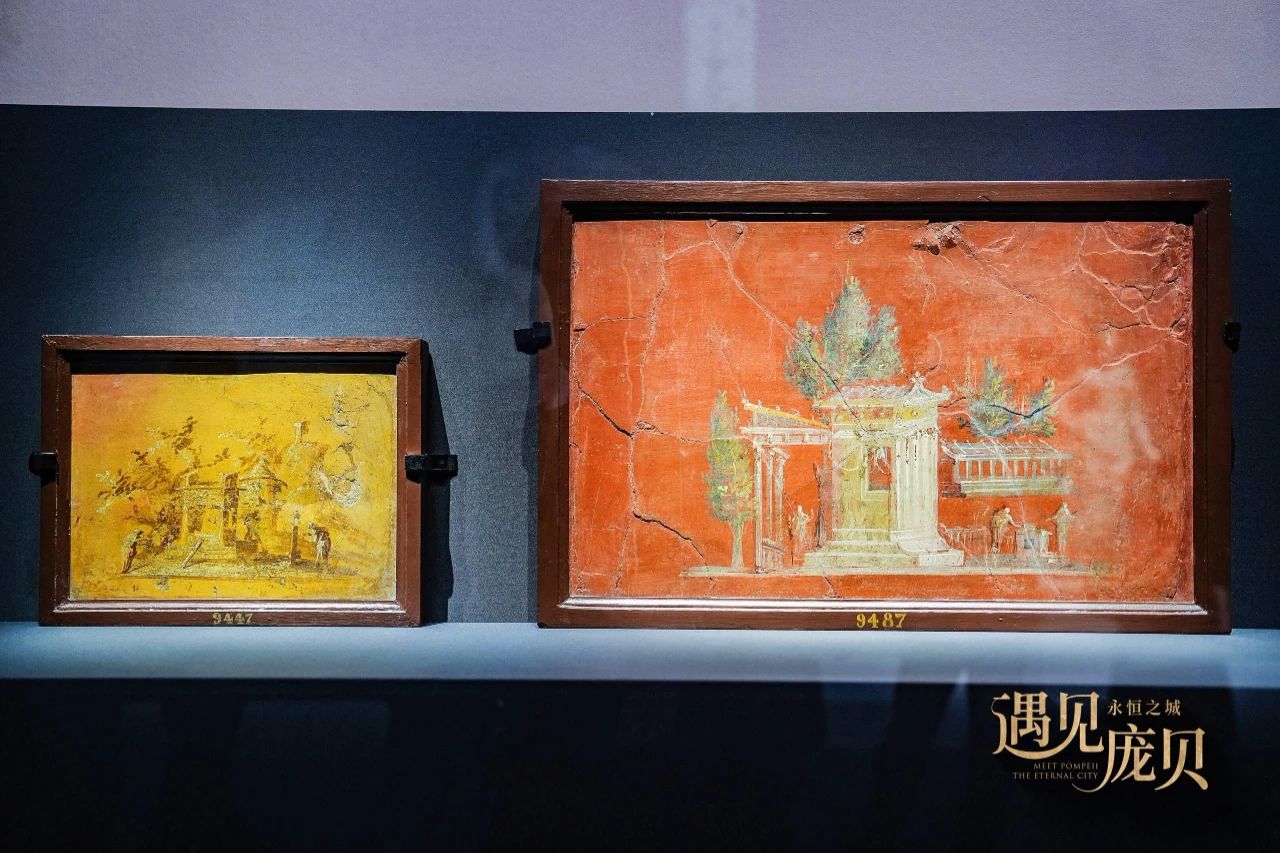
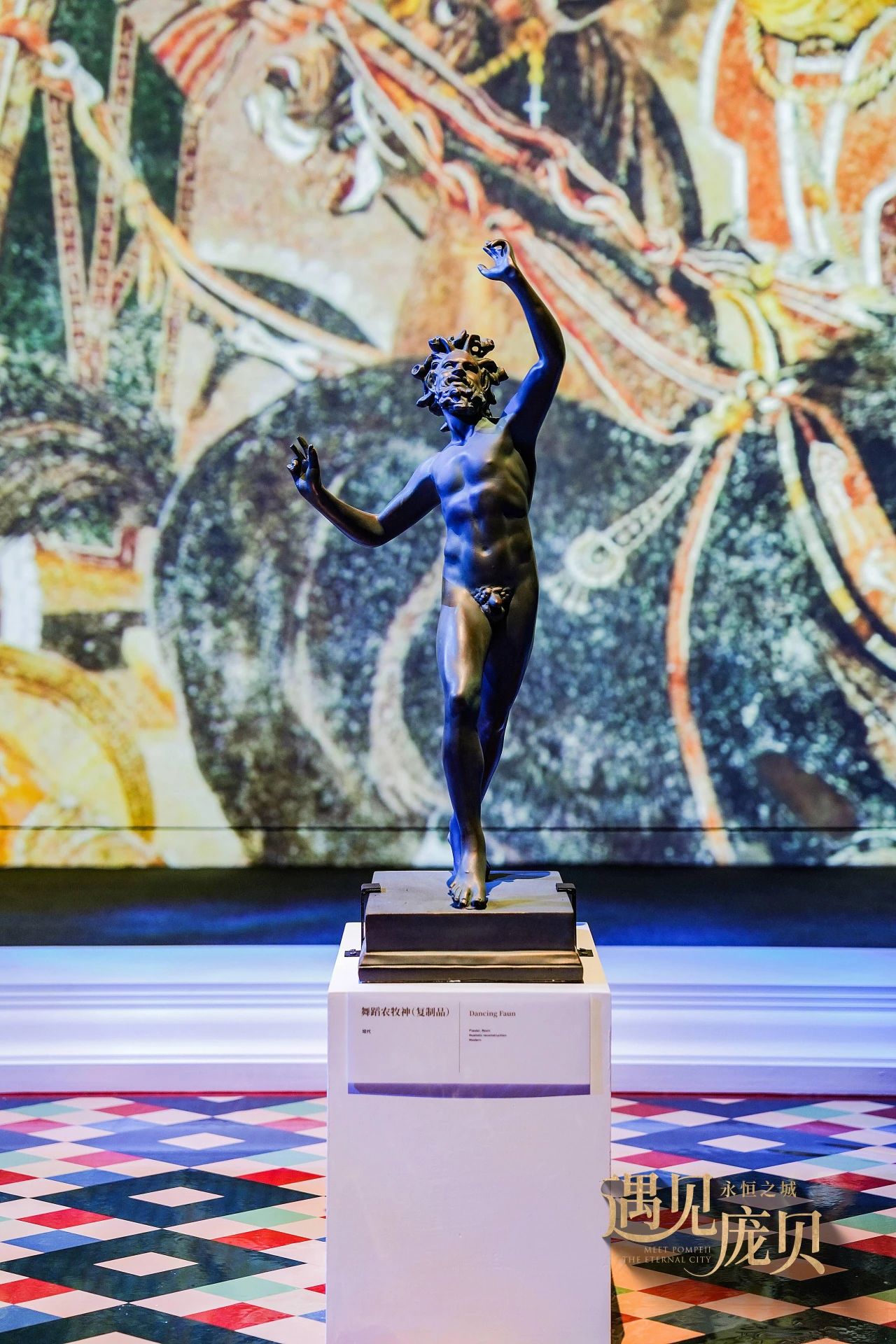
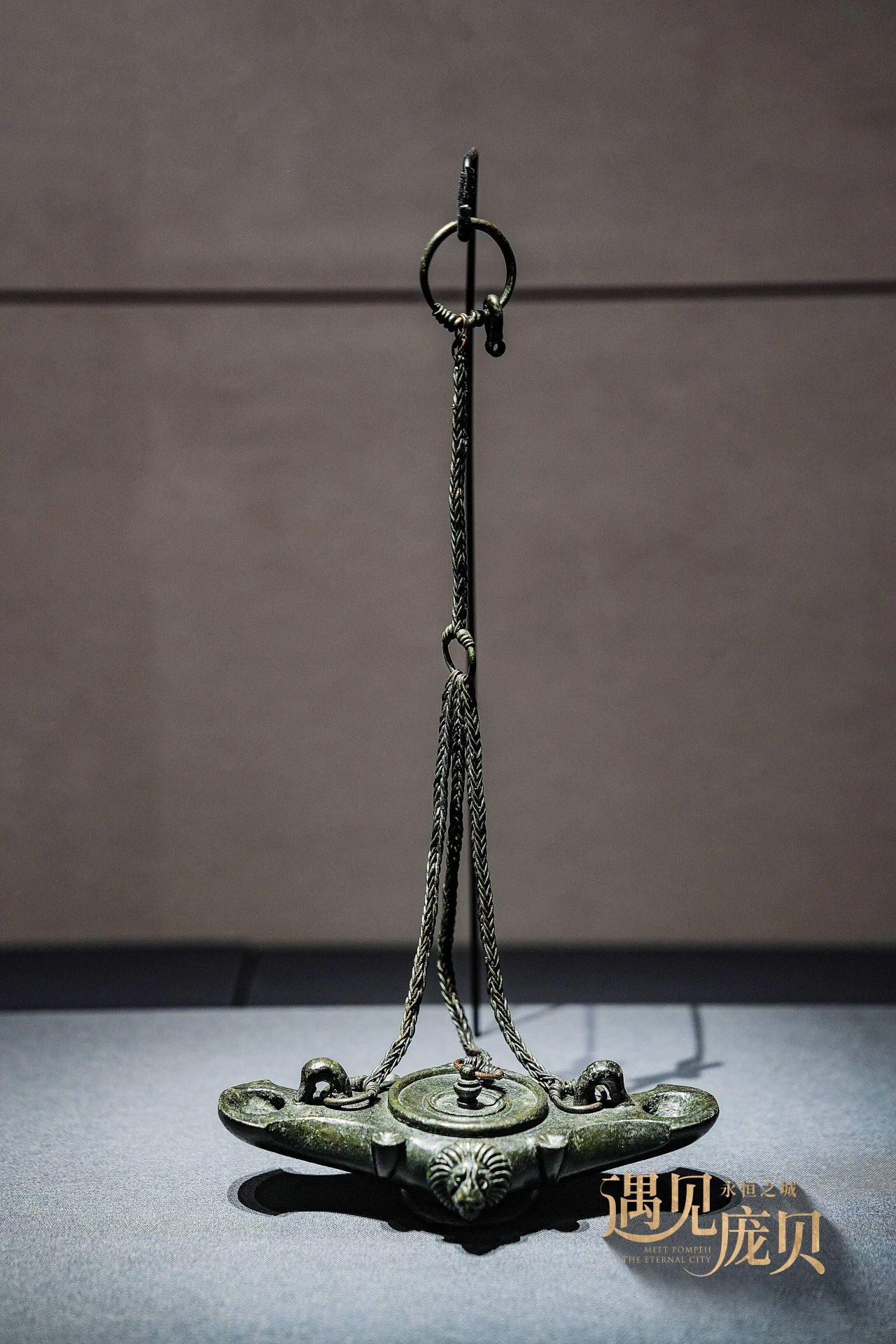
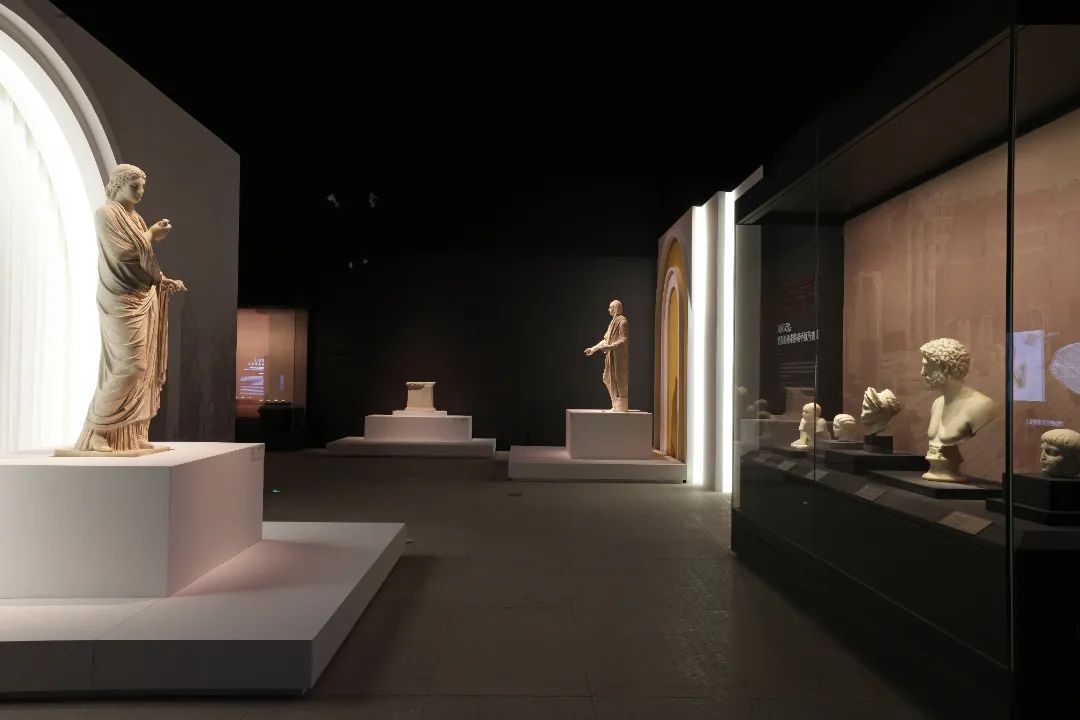
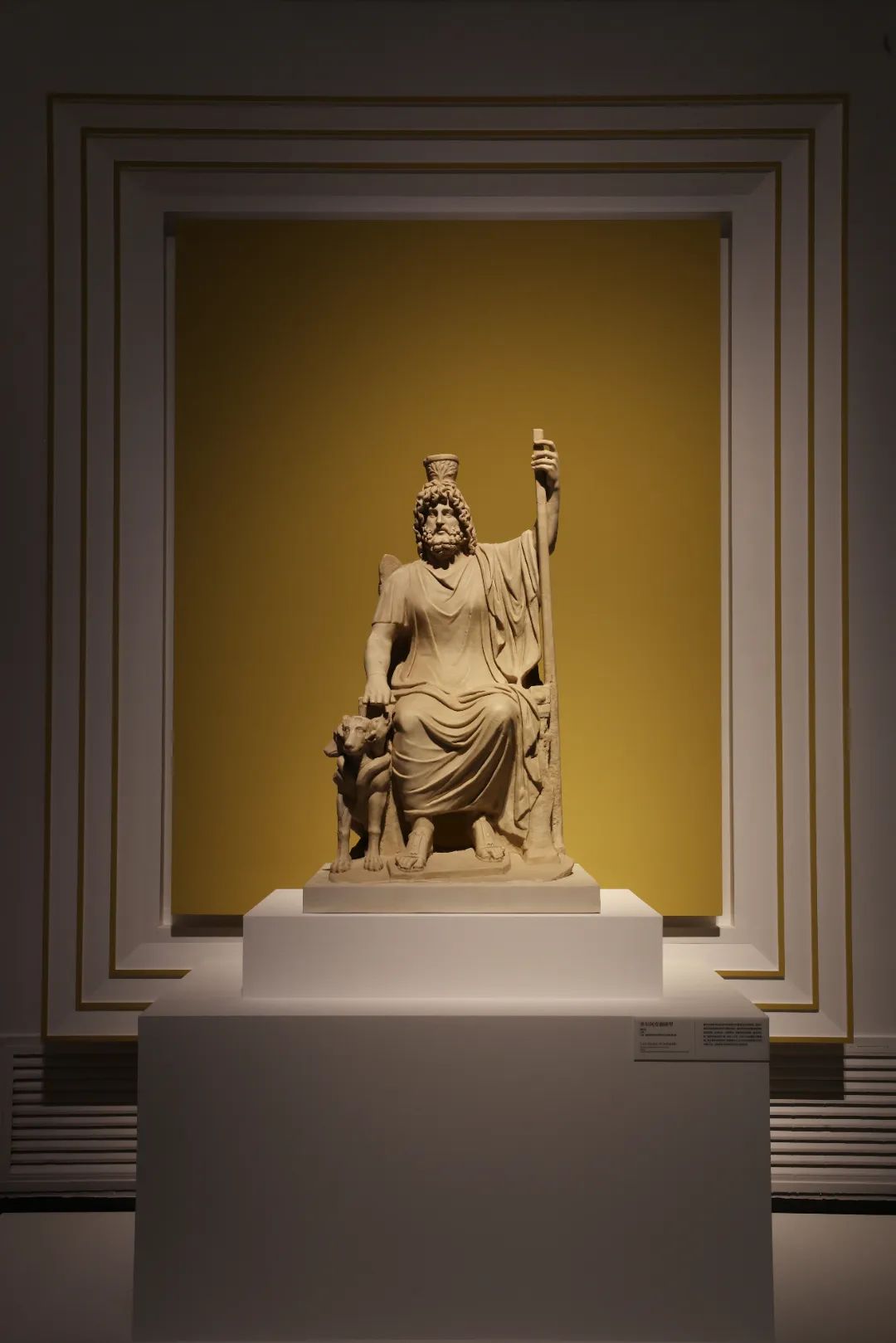
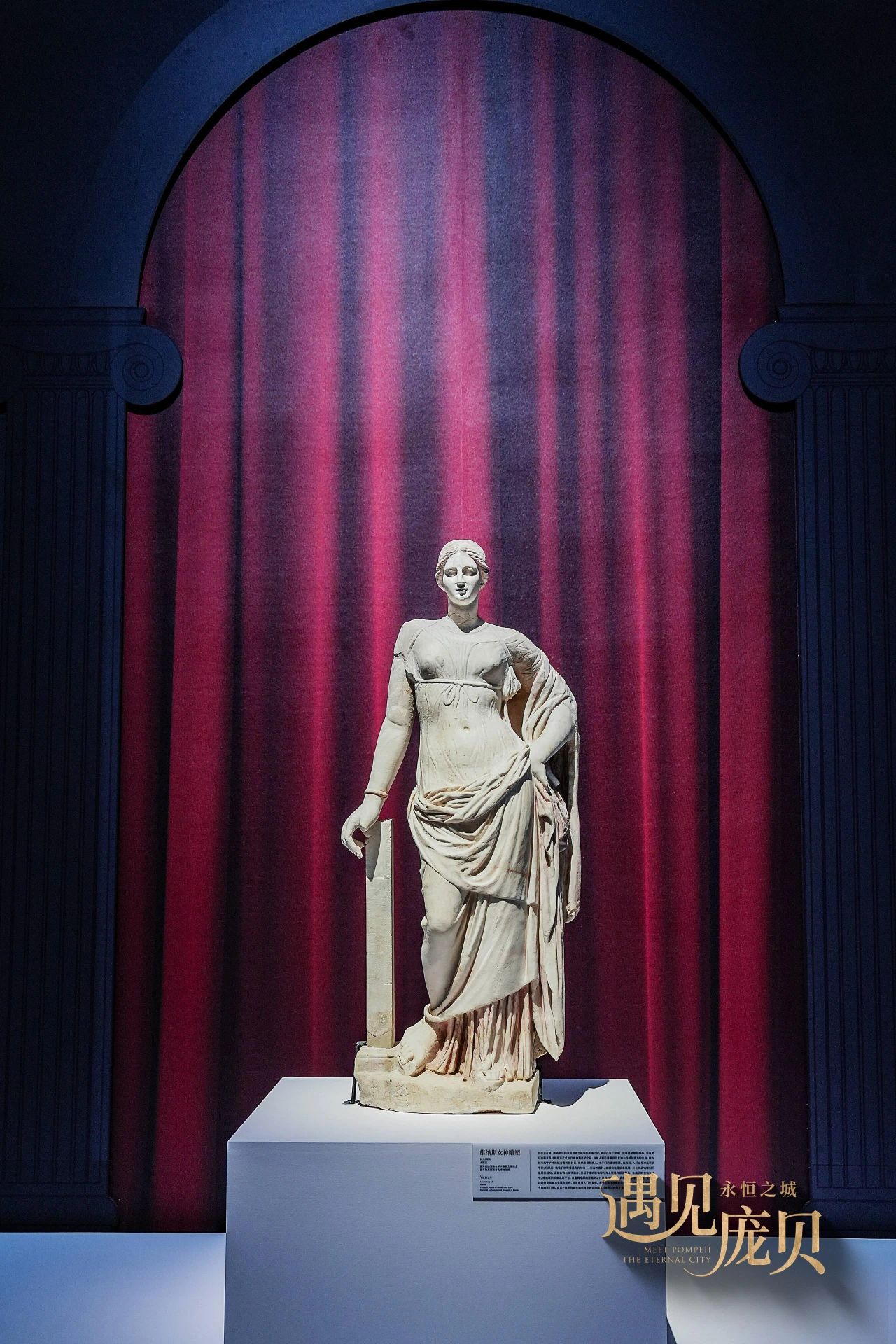
The exhibition centers on the ancient city of Pompeii, showcasing more than 130 original artifacts, including frescoes, sculptures, bronzeware, and goldware, which are on display in China for the first time. Through cultural relics and reconstructed scenes, it guides visitors across time and space into Pompeii, revealing its past splendor and charm. Beyond architecture, social life, and cultural arts of Pompeii, the exhibition uses interactive multimedia to immerse visitors in Pompeii’s historical transformations. In the exhibition, precious frescoes, sculptures, and daily objects are accessible up close, allowing visitors to rediscover an ancient Roman history long sealed in ashes.
Highlights of the Opening Ceremony
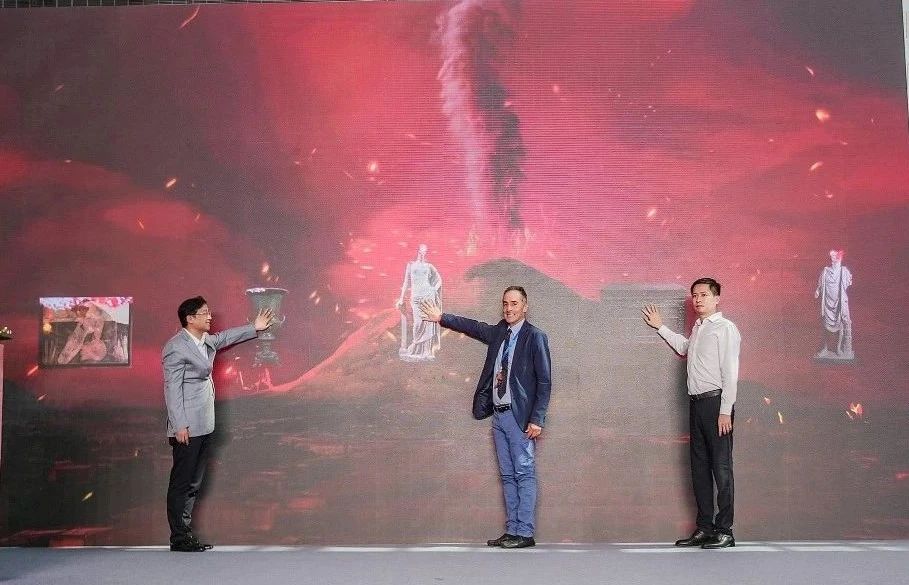
Dubbing Show
“Meet Pompeii: The Eternal City”
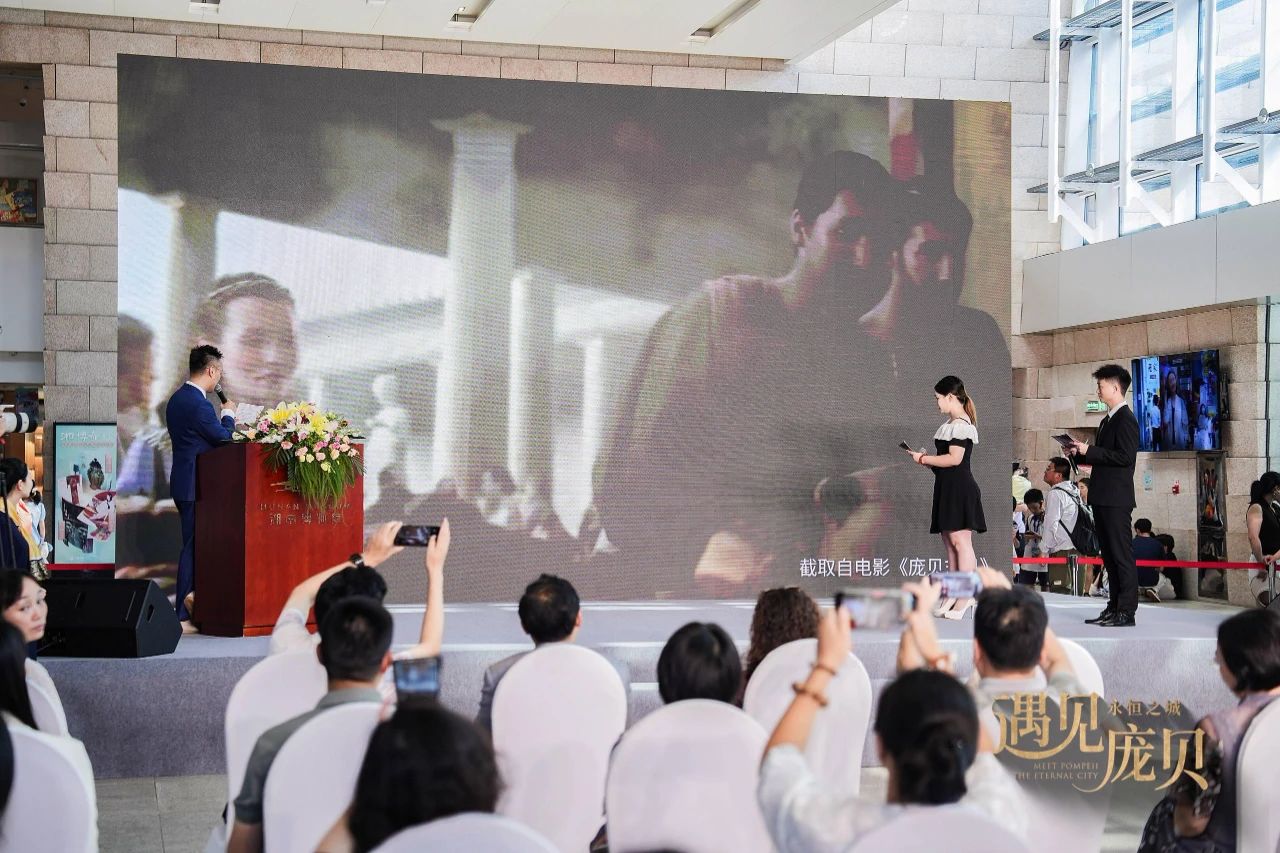

Opening Speeches
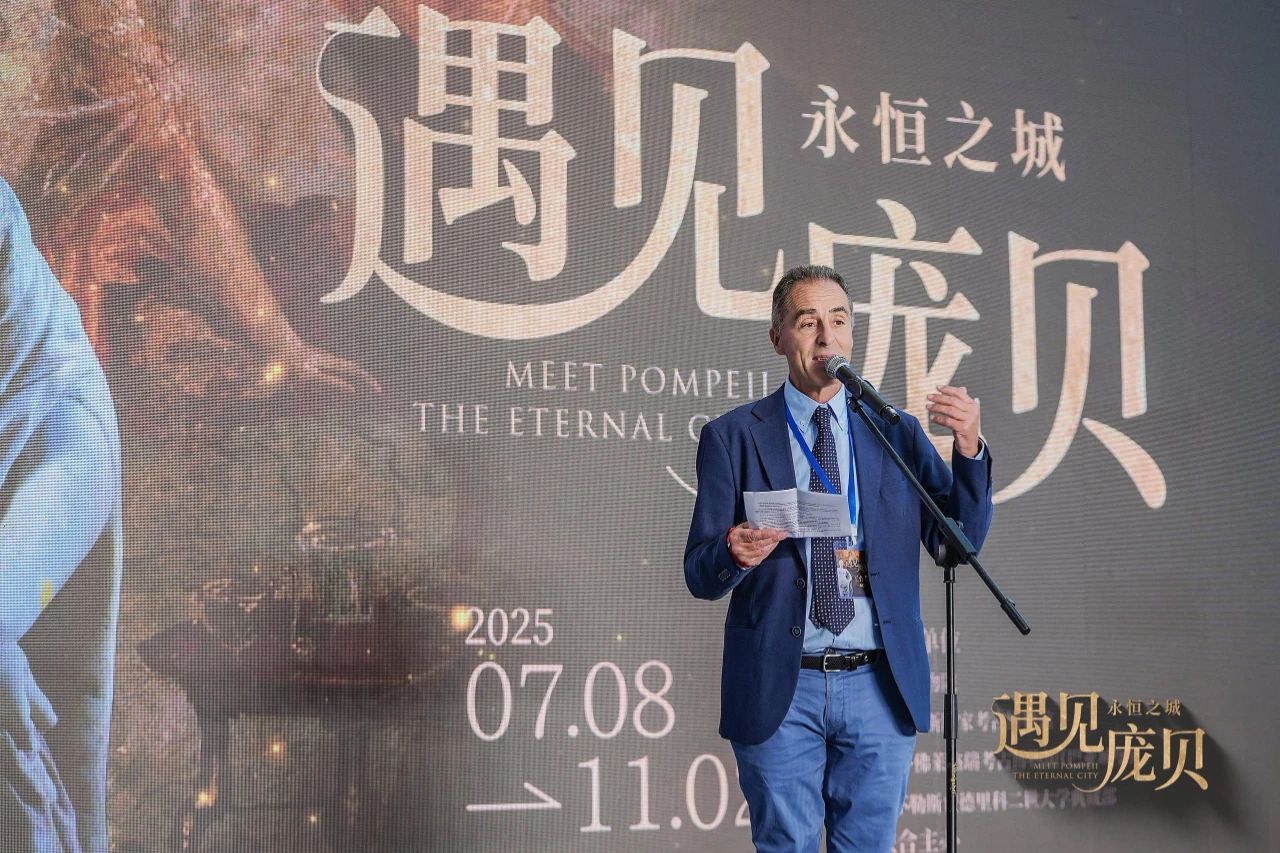
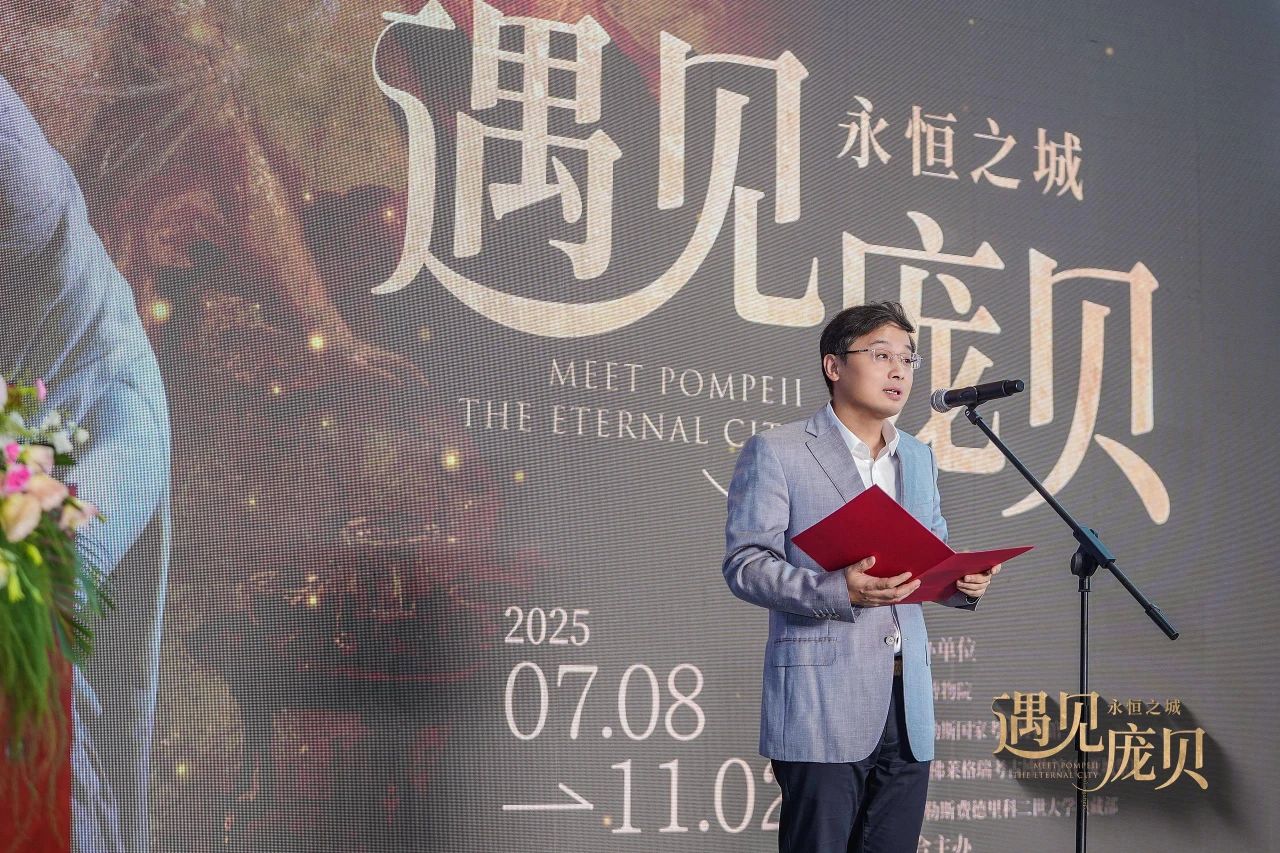
Academic Lectures
Lecture Title: The Pompeii Collection at the National Archaeological Museum of Naples

Mariateresa Operetto
Director and Professor, Restoration and Research Department, National Archaeological Museum of Naples

Amelia Menna
Researcher and Archeologist, Exhibitions Department, National Archaeological Museum of Naples
Lecture Title: Volcanoes and Archaeological Research in the Gulf of Naples: A Case Study of Campi Flegrei
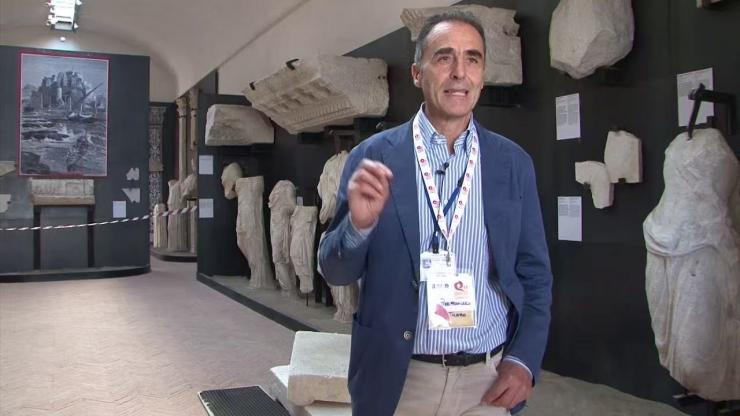
Pierfrancesco Talamo
Director and Professor, Archaeological Museum of Campi Flegrei in the Castle of Baia
Exhibition Introduction
Unit One
A Lost Civilization: A City Frozen in Time
What is lost will never be regained, yet the ruins left behind allow people to reflect on the past through time. Buried under the roar of a volcano, Pompeii was sealed in time and fell into slumber. Its ruins preserved the vivid traces of life and a brilliant culture. UNESCO has hailed Pompeii as the world’s only archaeological site capable of presenting a complete picture of an ancient Roman city.
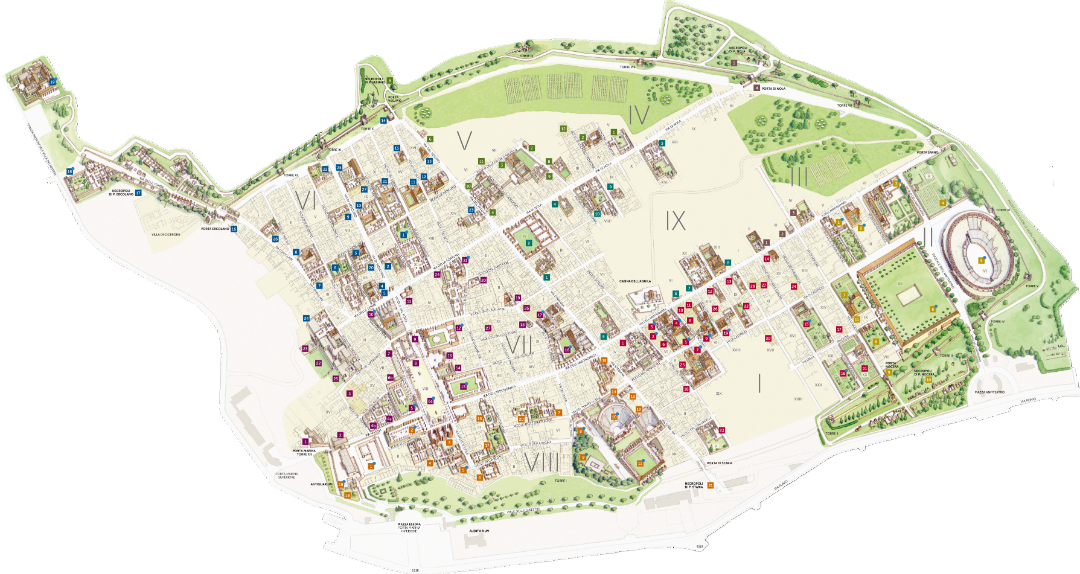
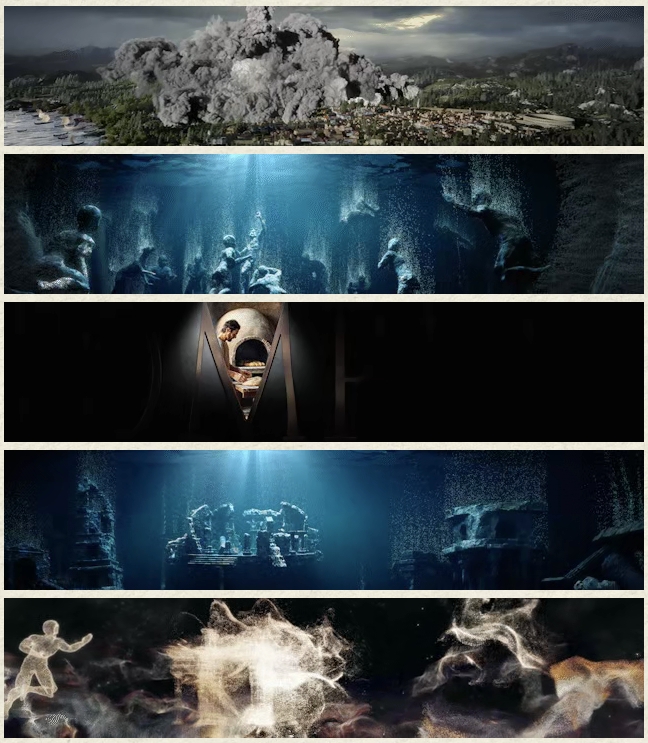
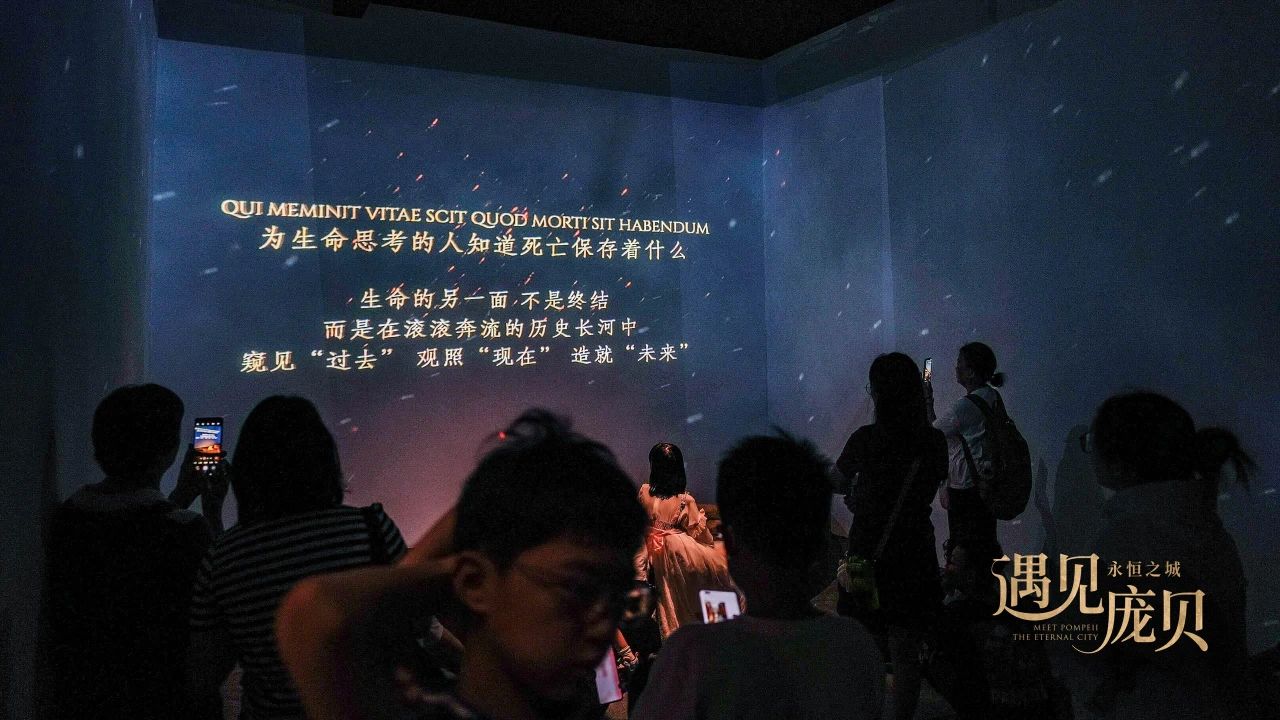
(Pompeii Archaeological Site Map) Unit Two By the shimmering coast of the Gulf of Naples, Pompeii lay amid the fertile Campi Flegrei plain, under the gentle shadow cast by Volcano Vesuvius. This region was once celebrated as the best place on earth. Resting on the fertile plain formed by volcanic soil, the city, as a gem, attracted attention from Oscans, Greeks, and Romans. Over time, it became a stage for chasing dreams, eventually serving as a picturesque resort for Roman emperors and aristocrats. Unit Three Before the eruption of Vesuvius in AD 79, Pompeii was a city beloved by gods and mortals. Its citizens, like those in other Roman cities, were passionate and devout, leaving traces of their political, civic, family, and religious lives in detail preserved beneath the ashes. Unit Four Pompeii was once a serene yet resplendent, ordinary yet pleasant land. As a city, it was born from humanity’s deep yearning for life and the relentless exploitation of natural resources. As ruins, it perished from disregard for the forces of nature and indulgence in ease and pleasure. Nature bestows her gifts generously, yet can mercilessly reclaim them all. In the face of this cycle, humanity has no choice but to struggle within the creases of time, endlessly seeking and voicing its eternal awe and love. Digital Exhibition At the end of the exhibition, visitors step into an immersive triptych space created by the fusion of four projectors and 3D digital technology. The installation transports visitors across time to encounter Pompeii, awakening their awe for life and reflection in the face of catastrophe. The digital presentation reconstructs the city before the eruption, immersing visitors in the breathtaking moment when the eruption devoured the city, while fragmented images capture life traces preserved in ashes. Via the projection, vanished lives and architecture revived. Finally, Pompeii’s fragments reassemble to symbolize rebirth and resilience beyond material destruction. Through stunning audio-visual effects, the installation, with profound thoughts, transforms Pompeii’s tragic demise into a hymn to life that transcends time. The city’s elegy may fade, but love and hope will surge onward. The space invites visitors to touch history, feel the resilience of civilizations, and ponder the weight of life, guided by the insight that “pain will pass, but love will endure.” Exploring the Exhibition The exhibition will be open to the public from July 8 to November 2, 2025, at the First Special Exhibition Hall on the first floor of the Hunan Museum. Tickets can be reserved through the museum’s official WeChat account or Alipay mini-program.
The Best Place on Earth: Pompeii and Its Surroundings
Stories of the Ancient City: Lives of Pompeiians
Tragedy of the Volcano: Eternal Awe and Love